Got milk?...not so fast!

Written by: Carolina Labro, Wildlife Rehabilitator

Note from our team: If you found a baby squirrel, opossum, or bird, do not attempt to feed it. Feeding from anyone but a professional rehabilitator may result in additional medical problems. It is easier to treat a hungry patient than it is to feed the issues that may be caused by improper feeding.

We all know that milk is a critical component of nutrition for any wild baby mammal's healthy growth, development, and survival. It supplies essential fats, proteins, antibodies, vitamins, and minerals to the neonate during a very important part of its life. But did you know that there are two crucial aspects of milk when raising orphan babies? 

They are Components and Compositions

Milk has six major components: water, fat, protein, carbohydrates, vitamins, and minerals. However, its composition differs widely from species to species. This difference is closely associated with an animal’s environment, diet, and life history, and is why it is so important never to attempt to bottle feed any orphaned wildlife you may find. 

Herbivorous species produce milk lower in fat and protein concentrations due to a diet based on plants and grass. Conversely, omnivorous species produce milk high in fat and protein as a result of animal matter contained in their diet. 

The only component that is equal in composition in all types of mammal milk is colostrum, or “the first milk” secreted by nursing mothers. Colostrum is extremely high in immunoglobulins (antibodies) and provides the newborn with immunity to fight gastrointestinal tract infections as it grows. 

During the course of lactation, the composition of a mammal’s milk will change drastically to meet the nutritional needs of each developmental stage. For example, a baby Grey Squirrel weighing 45 grams requires a formula with a high fat to low protein ratio. When the same Grey Squirrel reaches 75g, it now requires a formula low in protein and high in fat. Similarly, Virginia Opossums weighing less than 45g require a formula with a medium protein to high-fat ratio, but when they exceed 45g, they require a formula with low protein to medium fat levels.

Although there is no perfect substitute for natural milk, there are specially formulated wildlife milk substitutes based on the analysis of the species' natural milk.  When feeding an orphaned wild baby, it is important to know that the wrong formula will cause delayed growth in size, sparse fur, muscle weakness, bone abnormalities, lack of tooth development, and even death. This is due to their immature GI tract being unable to process milk with inappropriate compositions. Products that do not provide adequate nutrition for wildlife include cow’s milk, evaporated milk, human infant formula, plant-based milks, and any homemade recipe. 

Knowledge of the specific nutritional requirements of orphan wild babies is vital to support healthy growth and to increase the chance of releasing an animal that can survive in the wild. If you ever come across a wild baby mammal, be sure to bring it to a licensed wildlife rehabilitator as soon as possible!

Butterflies on a Budget - How to cultivate a native butterfly garden for next to free 

Written by: Samantha Martinez, Environmental Educator

Not only are butterflies one of nature's most diverse, colorful, and elegant species, but they are also great pollinators. While not as effective as bees or wasps at diligently pollinating plants quickly one after another, butterflies take a more leisurely approach to pollination which helps these plants in a different but no less important way. Since butterflies don’t have responsibilities to a hive like bees, they can feel free to take their time drinking the nectar of different plants and wait a while, and travel quite a bit before landing on another one. This may seem inefficient, but pollen has been shown to stay fresh on the tongues and legs of butterflies longer than they would on other surfaces or in the air. Plus, the fact that butterflies travel far before landing on another flower means that the plants they pollinate will have a different DNA profile than the last plant they were on. Meaning that the plants they pollinate will be cross-pollinated and have a more diverse DNA profile, leading to an overall healthier plant population. 

That being said, how can we attract these prepossessing pollinators to our homes without introducing invasive plants or breaking the bank? Today we’ll go over some of the easiest, and cheapest ways to create a beautiful, eco-friendly butterfly garden. 

Make a Garden Bed 

Raised garden beds are often more productive than planting your plants straight in the ground since the soil is not as compacted and has better drainage. This may seem like something difficult and unattainable on certain budgets or with certain time restraints, but this can be a very easy and inexpensive process. Here are some materials that you can use to create your raised bed and where you can find them. 

  1. Cinder Blocks make for great fencing for your garden. If you don’t already have some laying around your property or neighborhood, you can often find them for free on apps like Offer-Up where people are just looking to get them removed from their backyards. You can either stack the blocks to whatever height and width you want for your garden without any adhesive, or if you want to secure your cinderblocks to one another, you can find cheap outdoor cement on Amazon.

  2. Bricks are another material that you can usually find for very cheap on Offer Up or by asking local construction sites if they have any materials similar that are being thrown away. Construction sites will usually be happy to let you take leftover materials as they have to pay for their  removal anyway. This is another material you may want to secure with the outdoor concrete mentioned above. 

  3. Wood from pallets - We have all seen wooden pallets being thrown out on the side of the road. This material need not go to waste, though not the best quality wood this would absolutely work for a raised bed frame.  This technique may take more tools depending on the style of raised bed you would like. Many youtube videos and articles can be found on how to assemble this easily online, like this one here

Cinder Block Raised bed. Thank you to Bonnie's Plants for this photo 

Raised bed made from pallet wood. Thank you to 99pallets.com for this photo

Line Your Garden Bed

A lining for your garden bed is important to prevent plants you are not trying to grow from taking advantage of the bed you have created.

  1. Newspapers can be a cheap or free option for your lining. Though it will eventually decompose you can prolong its use by layering quite a few papers at the bottom of your raised bed. Plus once it does decompose it will add carbon to your soil which will be beneficial for your plants. Though some may be worried about the inc getting into your soil, newspaper inc is made of soy and therefore will not negatively affect your soil or your plants. 

  2. Cardboard is also a readily available material that can be used to line your garden bed. Though it will also decompose within 6 months you can prolong this by putting multiple layers of cardboard just like with the newspaper option. You can pretty much use any type of cardboard except for any with a waxy coating like those used for cereal boxes. This kind will leak toxins into the soil and eventually into your plants. 

  3. Leaves are another great option, any leaves you can find to provide a thick layered covering. It may even take longer for these to biodegrade than cardboard, holding out for about 6 months to a year. Once they do decompose you will have added quite a bit of organic nutrients to your soil. 

  4. Nothing - You can always decide to not use any covering for the base of your raised bed. You may have to watch out more vigilantly for stray plants but it is completely doable to keep up your raised garden without a base barrier. 

Soil 

Soil may be the one ingredient for your garden that you have to buy, since digging up a giant hole from your backyard may be inconvenient later on. Plus a lot of the soil in south florida unfortunately doesn’t harbor the nutrients needed to grow a healthy garden. Luckily, bags of soil can be found at essentially any hardware store or gardening center for, dare I say, dirt cheap.  

The Plants! 

Now off to the very exciting part, planting the plants in your garden! Below is a list of native plants, or plants with low invasion risk that can either be propagated from plants around South Florida or whose seeds can be collected from a few organizations down here and will be sure to attract some beautiful butterflies and other pollinators to your garden! 

  1. Firespike - Firespike is a lovely, Florida native, addition to your garden that will help attract several species of butterflies and perhaps even hummingbirds! 

  2. Firebush - This native plant will attract some butterflies and hummingbirds for its nectar. It will also produce some small berries that will be enjoyed by birds and small mammals in your neighborhood! 

  3. Blue Porterweed - Yet another Florida native, this plant is a host plant for tropical buckeye butterflies but will attract other species of butterfly, as well as bees to your garden! 

  4. Orange Milkweed ( Asclepias Tuberosa) - Milkweed is a well-known butterfly attractor and host plant. This species of milkweed is also a Florida native and will help attract butterflies, bees and other insects to your home! 

  5. Passion Flower - This beautiful plant is known to attract honey bees, carpenter bees and  Gulf Fritillary butterflies! Like many of the other plants on this list it is also a beautiful flowering plant to be admired all on its own.

  6. Bahama Cassia - This plant is known for attracting butterflies of the Sulfur species. It is used as a food source for both adult butterflies and larvae. 


There are many other Florida native, or low invasion risk plants you can use to enrich your butterfly garden. Many can be found in small nurseries for a very low cost or you can reach out to organizations such as The Miami Seeds Share and others for seed donations they have available. I hope this article has helped you find it more realistic to create a beautiful butterfly garden with plants that will help augment the habitat that is your yard for you and the creatures you share it with! Happy gardening everyone! 

A Home for the Fish and the Feathered

Written by: Samantha Martinez, Environmental Educator

Biscayne Bay is known for its beauty, calming atmosphere, and views of the islands and city weather that view is from a kayak or a yacht. People from all over the Miami area enjoy the recreational activities that the bay makes possible. Here at Pelican Harbor Seabird Station, we receive hundreds of wading and seabirds annually, more so than any other group of avians. This is in no small part due to the kind-hearted people who choose to bring in injured or ill wildlife they discover on their outings. Without the eyes and ears of these good samaritans, many of these animals would not make their way into care. 

An adult and a juvenile Magnificent Frigate Bird roosting on an Island in Biscayne Bay

Nevertheless, we cannot ignore the impact of  our proximity to Biscayne Bay. There are many ways in which our society unintentionally brings harm to our local environment, but luckily there are even more ways that we can make small changes in our lives to help repair it. For example, adopting safe fishing and boating practices, like casting with care and disposing of hook and line properly, helps to prevent wildlife injury and entanglement. If you ever do find a bird on the other side of your fishing line, you can always reel them in and contact Pelican Harbor Seabird Station to get them into care. You can also reduce chemical runoff by planting native plants in your yard and using natural herbicides. Additionally, you can reduce your plastic consumption, avoid littering, use reef-safe sunscreens and so much more! These small, seemingly insignificant actions, together, make such a big impact on our environment and with a little knowledge and a bit of motivation, Biscayne Bay can once again be the thriving, rich environment it is meant to be.

Each organism within the bay, from newly hatched crustaceans to the bottlenose dolphin, plays a role in which there is no understudy. So before we enjoy our weekend on the water, let us all take a moment to appreciate the tremendous importance of this ecosystem and what we can do to help preserve it and the animals, including us, who rely on it. 

Our Valuable Vultures

Written by: Lucy Wiedmar, PHSS Intern

We’ve all seen it - the ominous collection of large birds gliding high in the sky, seemingly flying in circles around a concentrated area. Often thought to signal that death is near, you ask yourself what the unlucky soul had to endure. The soaring birds in the distance, flying in their ritualistic circles, cruising the wind currents, are most likely members of the new world vulture family.

Florida is home to two native species of vultures, the Black Vulture (Coragyps atratus) and the Turkey Vulture (Cathartes Aura). Both vulture species are in the taxonomic order Accipitriformes (which includes most diurnal birds of prey), and the family Carthartidae (consisting of five new world vulture species.) These two species can be differentiated by the distinct difference in head coloration, with black vultures having a solid black coloration on the head and bill, whilst the turkey vulture differs in a red/pink coloration of the head and a white-toned bill. While in the air, these two vultures can be identified by the difference in flight patterns observed among the two. The black vulture has a much more compact body with a shorter tail, a whitish patch on the outer primaries, and displays a powerful and sturdy 3-5 wing flap pattern. The turkey vulture on the other hand has a greater white-silver coloration along the lower border of their wingspan and tends to teeter while in flight, displaying significantly fewer wing flaps. 


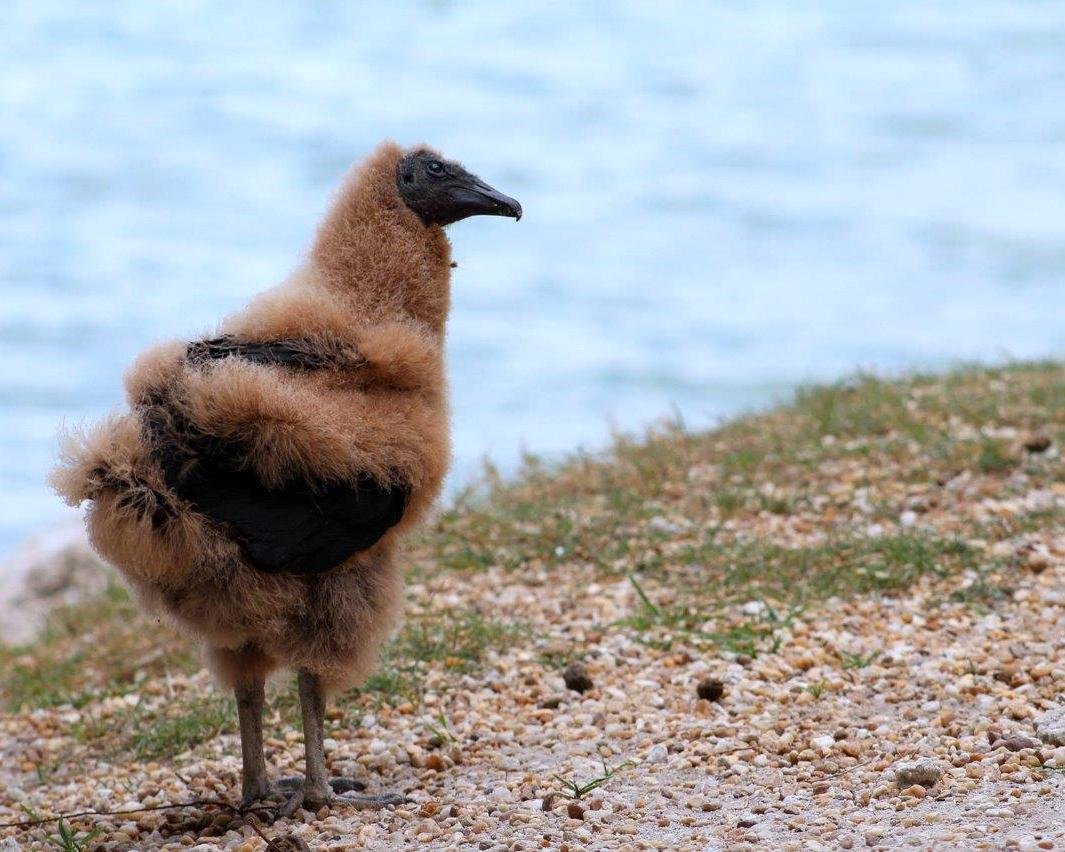
Adult Black Vulture feeding her fledgling.

Adult Turkey Vulture rescued by PHSS volunteers.


Although turkey vultures currently outnumber their black vulture relatives in the United States, black vultures have a greatly expansive native range, outnumbering turkey vultures in the western hemisphere. Year round, black vultures can be located across virtually all of the South American continent up to the southern and eastern United States. Over the past few decades, black vultures have crept their way even further northward - as far north as New England. Turkey vultures have a similar native range, found essentially across all of the South American continent, as well as encompassing almost the entirety of the United States.

While these two species of vultures differ in many aspects, they are very similar in one main regard: their choice of prey - which happens to be most prominently the carcasses of the once living. Due to vultures' feeding behavior relying mainly on carrion, they tend to be associated with negative connotations in the media and are often portrayed in a more “sinister” light, often being depicted as unhygienic or a precursor to death. Even Charles Darwin, the father of evolution, once called the birds “disgusting creatures”. Vultures get a bad rep in the Animal Kingdom, and due to the unwarranted stereotypes placed upon them, there are a lot of misconceptions floating around these birds.

However, I am here to defend the honor of our native vultures! Contrary to the stigmatization of vultures bringing along the notion of death with their presence, they actually play a crucial role in the health and stabilization of their ecosystems. Vultures play an incredibly important role by devouring decaying carcasses. By consuming flesh from the recently deceased, vultures are able to reduce and/or eliminate the spread of certain diseases, pathogens, and harmful bacteria that depend on rotting flesh to grow, develop, and spread. Some of the illnesses prevented by vultures' ecological role are anthrax, rabies, and cholera. Additionally, vultures' diet on carrion further facilitates nutrient cycling by maintaining high fertility among soils for plants to flourish, keeping the overall primary producers of our ecosystems healthy and thriving. 

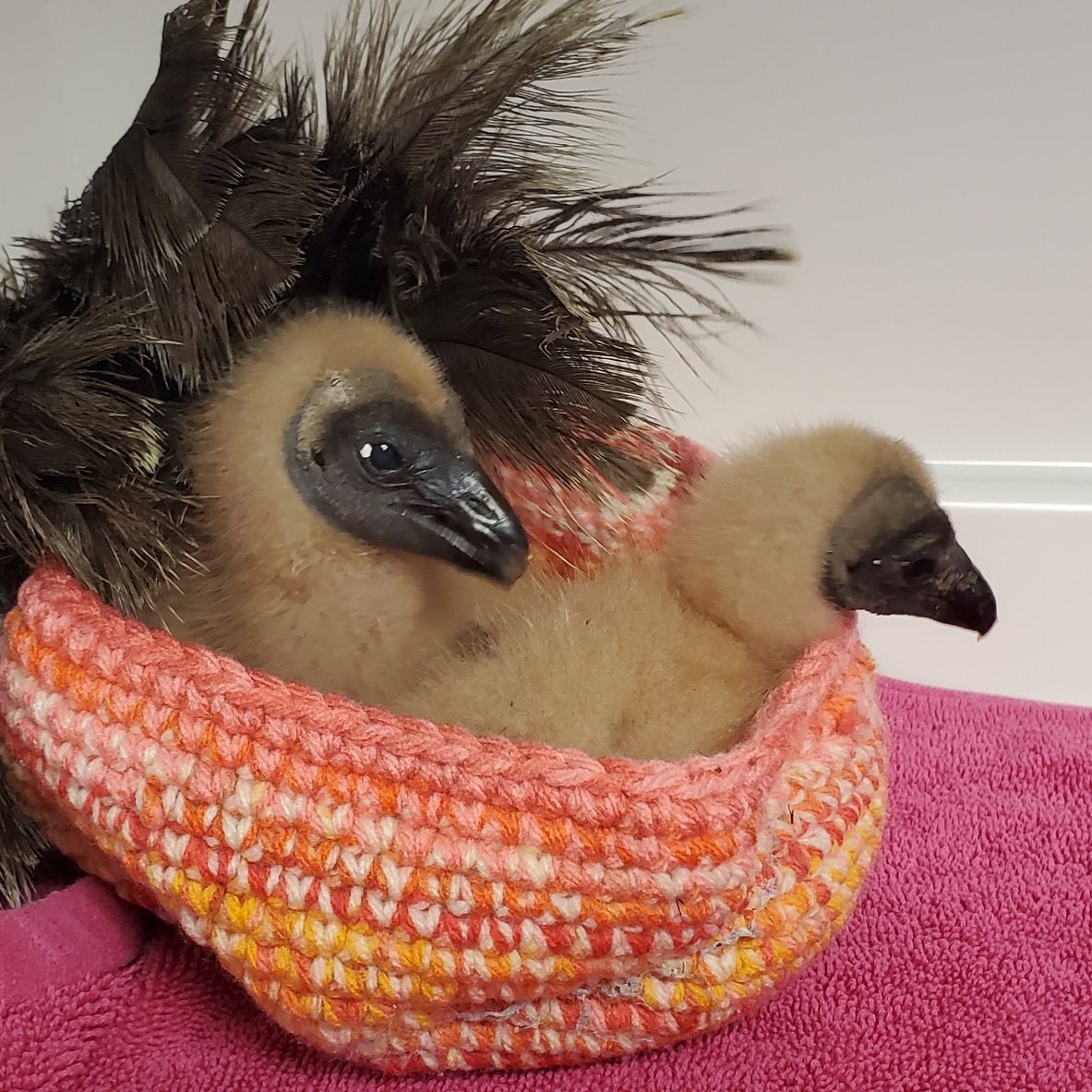
Because vultures are known “ground nesters”, they prefer to lay their eggs and raise their young in locations such as dark crevices, caves, hollow trees/fallen logs, abandoned buildings, brush piles, etc. Due to these nesting locations being significantly different than the depicted nesting behavior we see in many other birds (ie. collection of sticks, twigs, and leaves in high, out-of-reach areas), people may stumble across a clutch of young vultures and mistakenly believe they have fallen from their parents' reach. In the past, many people have “rescued” and brought in healthy, young vultures to Pelican Harbor with good intentions, but in reality are displacing these chicks from where they are supposed to be. 


Pictured above are two black vulture chicks that were brought into our clinic due to the mistaken removal from their nest

If you ever happen to run into a nest of juvenile vultures, never intervene unless absolutely necessary. Call Pelican Harbor or another wildlife rehabilitation center and see what steps to take next after finding the nest. Experts will be more than happy to assist in these situations, and will help to avoid any unnecessary disturbances!

With that being said, the next time you stumble across our large, bald, funky-looking friends chowing down on their favorite slice of roadkill, take your eyes of disgust and transform them into eyes of admiration! Instead of feeling repulsed, express gratitude to our native vultures for protecting us and our surrounding ecosystem from the harmful spread of disease. And remember, if you happen to stumble across a nest of our baby vulture friends, first call your local wildlife rehab center to help guide you through the best options based on the current situation.

References

Cats: Our Friends, Their Foes

Written by: Nicholas B. Canino, PHSS Intern

Cats are one of the most popular pets in the United States, with about 43 million households owning at least one. Their quirky personalities, neverending curiosity, and admirable features make them delightful pets to have. It is also common knowledge that these enthusiastic critters are not nearly as domesticated as dogs and still have a “wild side” to them. Much of their time is spent hunting toys on a string, pouncing on their owner’s hands, and gnawing on whatever they can get their paws on. Unfortunately, this can lead to a major issue for native animals on the receiving end of their wild nature.

Many cat owners think that it is essential to allow their cats to have free access to the outdoors around the neighborhood. This is due to a common misconception that cats require time outdoors in order to live a healthy life, but in reality, it has the opposite effect. But whether owners decide to leave them outside overnight, during the day, at all times, or even for short periods of time, these cats can do severe damage to the native wildlife that also calls that neighborhood home. Instead of having toys to hunt while inside, cats that are outdoors will choose to hunt a variety of native animals including lizards, birds, and small mammals. Many of these animals end up severely wounded or dead as a result of the cat's wild instincts.

Of course, cats are not to blame for simply complying with their natural behavior. In nature, these cats would be able to hunt and the populations of these animals would not decline so significantly. However, because of the increasing population of feral and outdoor cats in the United States, many native populations are not able to keep up. In some regions of the world, cat populations can be directly attributed to the extinction of numerous species. One study in 2013 found that domestic cats in the U.S. kill an average of 1.3 to 4 billion birds and 6.3 to 22.3 billion mammals annually. This unfathomable number of wildlife killed each year solely from domestic cat predation is why many wildlife ecologists believe cats are a greater concern for biodiversity than deforestation or climate change.

For a long time, cat owners have overlooked the impact that their precious pet is having on their local environment. Many owners will refute this argument by stating that they feed their cats a sufficient amount of food to stop them from hunting. But, has a cat ever stopped hunting toys on a string because it was full? Likewise, many owners say they have only seen their cat bring home an animal once or twice. But, for every animal they bring home, a few were left where they were killed and many more were severely injured and left to die. That is where Pelican Harbor Seabird Station comes in.

Over the past few years, Pelican Harbor has better tracked the circumstances of admission for many of our injured and sick animals. Since 2019, we have had nearly 500 animals come in that were attacked by a cat. About 75% of these animals were birds such as Northern Mockingbirds and Mourning Doves. The other 25% includes mammals like baby opossums and squirrels that we frequently get in the summer months. Cat attacks are the second most frequent reason why animals are brought to us for treatment. Unfortunately, the survival rate for these animals is very low with less than 50% of birds surviving to release. This is due to a potent bacteria that cats carry called Pasteurella multocida, which left untreated has a grace mortality  rate. Our treatment for patients attacked by cats includes strong antibiotics to avoid infection, laser treatment for pain, and wound repair and cleaning if necessary.

Because of the high occurance of cat attacks, there is a lot that we can do at Pelican Harbor to improve the situation for our native animals. Educating guests on the consequences of leaving their cats outdoors is one of the most impactful methods we can use to reduce the negative effects of outdoor cats. We always recommend that people leave their cats indoors and only allow outside access if there is an area where wildlife cannot get to, like an enclosed patio. Not only does this ensure that our wildlife is protected, but that our cats are safe as well. While we do our part to treat our wildlife, make sure you are doing your part to protect them too!


References:

Are outdoor cats happier? - Animal Humane Society

The impact of free-ranging domestic cats on wildlife of the United States - Nature

Seeking a Stilt

Written by: Samantha Martinez, Environmental Educator

Stilt 22-948 admiring a photo of an adult Black Necked Stilt 

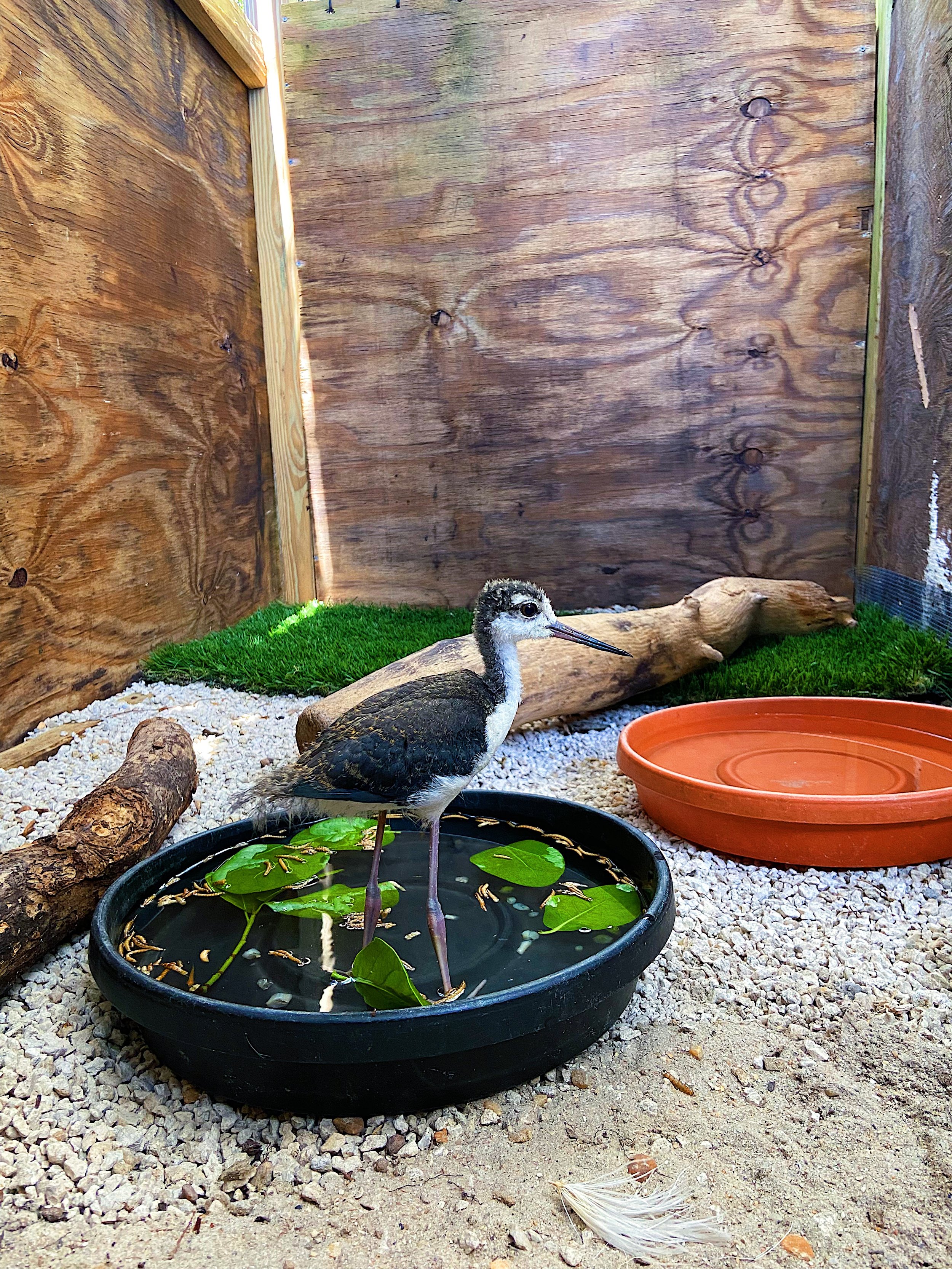
Envision, taking an early morning walk, softly stepping over the same side walk steps and dewy blades of grass. All the same as yesterday and the days before that. Except one thing, a small bird scurrying across your path with its tiny black speckled body, atop its disproportionately long, thin legs. This is what happened to councilman Roger Coriat of Cutler Bay when he stumbled upon a baby Black Necked Stilt. At first, he let the baby be, assuming its parents were nearby. However, later on that day he saw the stilt was still alone, wandering across a parking lot right before it began to rain. He decided to take it in and contact a fellow city employee for advice. Luckily, his contact knew just what to do. They kept the baby safe and warm overnight and contacted Pelican Harbor Seabird Station first thing in the morning where our rehabilitation team had been preparing for its arrival. An imitation environment was created using a soft carrier, shallow water dishes, and foliage as well as images of adult Stilts. Once the baby was settled in, he was offered very small pieces of fish and worms in a shallow dish of water and began eating right away. 

Stilt  22-948 in his outdoor imitation habitat

Other than the stress of losing his parents and some mild dehydration, he luckily seemed to be in perfect health. Now began the mission of finding him other conspecifics to bond with. Our Rehabilitation Manager Yaritza Acosta reached out to a group of Florida wildlife rehabilitation centers with over 200 members from different organizations across the state. Our team hoped to find a suitable foster sibling for our new patient but as of now, no other Black Necked Stilts his age have come into care. The staff continues to use images and calls of adult Stilts as well as hands-off techniques to prevent habituation and assure this patient has the best chance of surviving in the wild. He continues to do incredibly well in care and has gained almost 100 grams since his arrival. Keep up to date on our social media to get updates on this adorable patient's progress and release back to his native habitat! 

Preserving our Urban Paradise

Written by: Samantha Martinez, Environmental Educator

Barn Owl 22-842

In Miami, we are constantly growing and upgrading our infrastructure as new homes, highways, and businesses are built daily to expand our urban paradise. This, on occasion, can come at the cost of the homes of our wild neighbors. This is what may have happened to patient 21-842, a juvenile Barn Owl. This owl was found on a construction site after a tree, believed to be harboring the bird's nest, was cut down. Unable to fly and with dry blood covering his feet and nares, the owl was brought into Pelican Harbor Seabird Station.  We see this all too often at PHSS, especially during the spring months as people prepare for hurricane season.

Once in care, our rehabbers noticed swelling and lameness in this patient's right leg, with x-rays confirming a midshaft fracture to the tarsometatarsus bone. The rehab team thoroughly cleaned the area and added a half splint with firm cast material to immobilize the young owl's leg during the healing process. This, coupled with supportive care, antibiotics, and pain medication, has this bird on the road to recovery. However, there is still a long way to go, and not all displaced fledglings are so lucky.

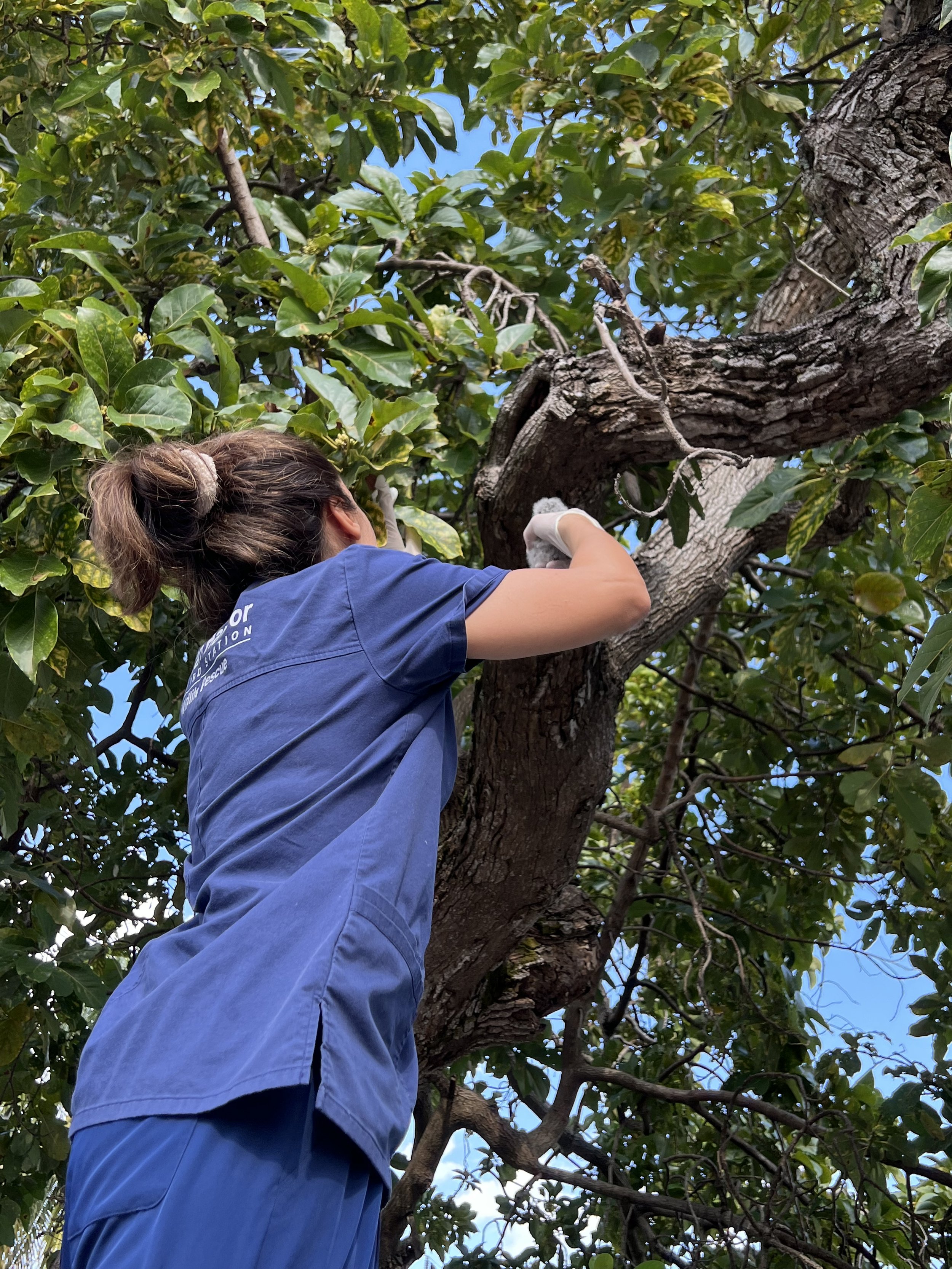
Wildlife rehabber, Carolina, renesting a displaced Eastern Screech Owl nestling.

We understand that tree trimming and construction are often unavoidable facts of urban life, especially considering the need to prevent damage from hurricanes. However, we recommend some simple ways to help avoid harm to wildlife when starting a building project or trimming trees for whatever reason. Such methods include doing an initial survey of the area to see if any wildlife is inhabiting it. You can check for droppings, nests, or nesting materials, and listen for animals in the immediate vicinity. If you find that an animal is nesting in a tree you plan to trim, we recommend leaving all branches supporting the nest as well as those protecting it from weather and predators until all babies have left the nest. Most birds will be done nesting by mid-July. Following these simple steps will help save countless nesting birds and mammals and prevent you from receiving costly fines associated with disturbing a federally protected nest. To learn more about protecting wildlife while trimming trees, feel free to reach out to us for a copy of our Animal Safety for Arborist sheet. 

View our Animal Safety for Arborist Sheet

Saved by the Power of Light

Written by: Milena Orjuela, PHSS Intern

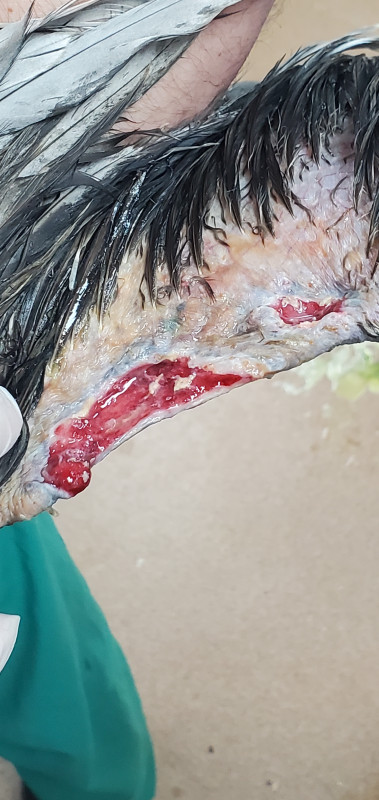
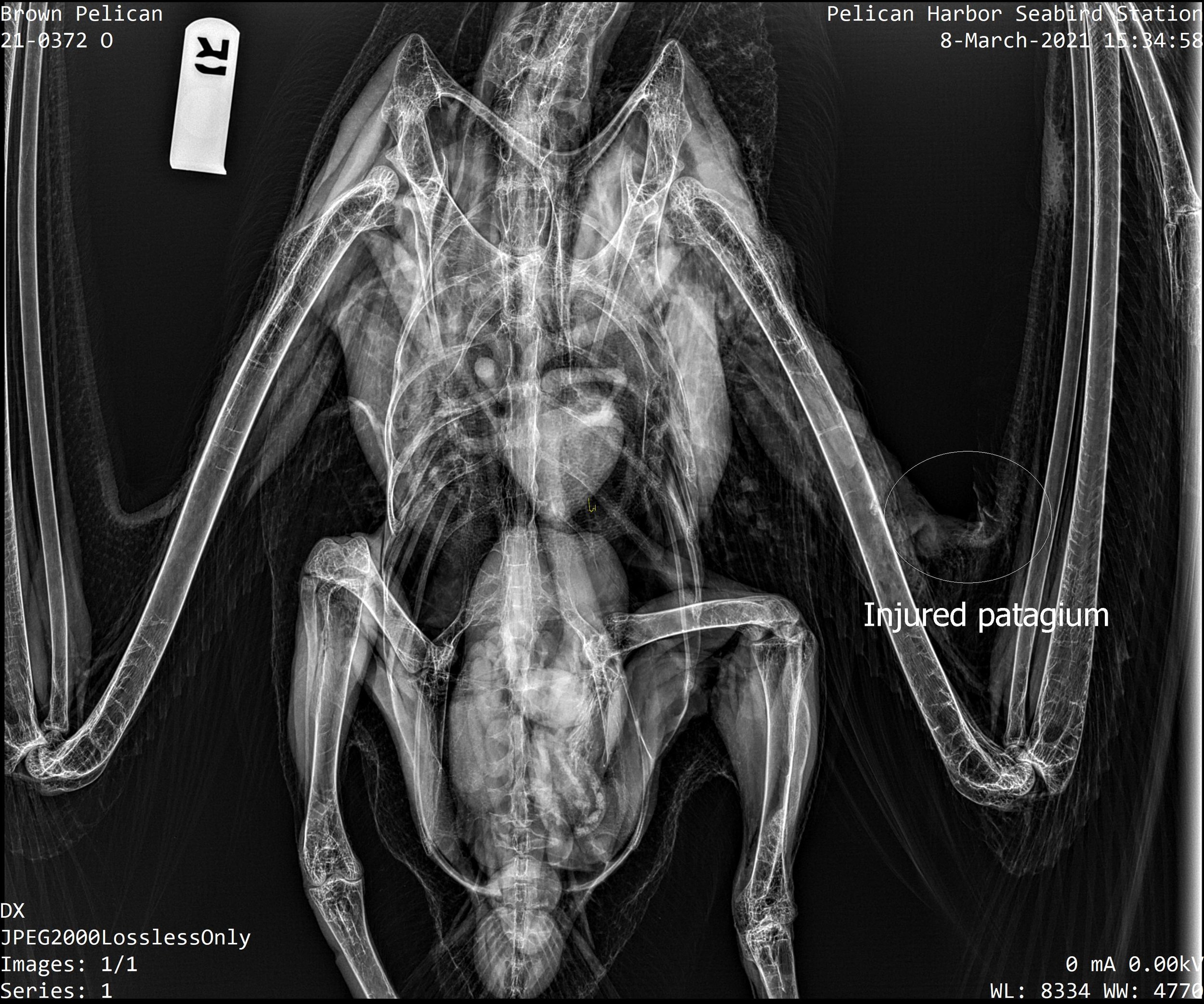
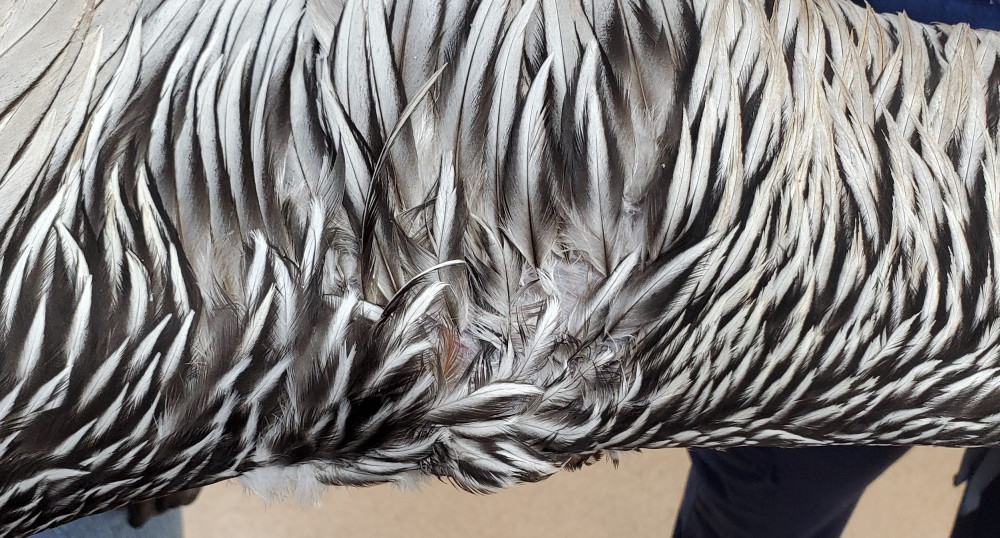
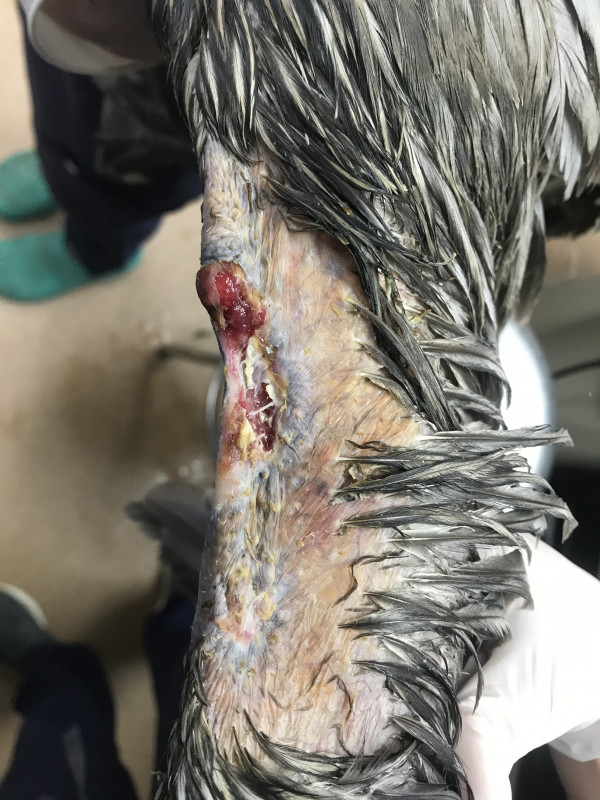
Pelicans are meant to glide through the sky, dipping in and out of the ocean on a sunny day, and leaving your jaw dropped if they happen to catch a fish near you. That is what I thought until Pelican 21-372 came to our clinic. After taking a quick glance at the bird, I secretly thought to myself, “you are doomed.” Pelican 21-372 first came into our care after being spotted with monofilament entangling its left wing, upper body, and head. It was obvious upon examination that the bird was also malnourished and dehydrated. Our staff noted multiple open wounds in its face, abdomen, legs, and a large malodorous wound on the left patagium. A malodorous wound is characterized by necrotic tissue, or bacterial colonization, often containing both anaerobes and aerobes and is a major obstruction to healing. The patagium, the site of the open wound, is a web of elastic fibers that extends from the head to the wrist and has the very important job of assisting birds in gliding and flying. Such a grave injury on a crucial part of the bird’s wing is why Pelican 21-372’s chances were initially seen as quite poor. 

A set of X-rays determined that there were no fractures or broken bones to deal with in addition to the obvious open wounds. Subcutaneous fluids were given to aid with dehydration, antibiotics, pain killers, anti-inflammatories, and Vitamin E were administered to help the healing process, and the pelican was given one dose of anti-parasitic medication. All wounds were thoroughly cleansed and special care was given to the left wing. All dead tissue was removed from the patagium, a topical antibiotic ointment was administered, and the wing was wrapped. Though the physical treatments and medications certainly had a very beneficial role in healing the bird, the laser therapy Pelican 21-372 received is what really allowed such a miraculous recovery. 

First developed in 1960, laser therapy can heal major injuries at a cellular level by stimulating a process called photobiomodulation. Photobiomodulation or PBM works as photons enter the tissue and interact with the Cytochrome C complex inside cellular mitochondria. The absorption of light by the Cytochrome C oxidase helps the cells to increase the production of Adenosine Triphosphate (ATP), which is the intracellular energy transfer molecule. This helps to restore the oxidative process which allows the cells to resume normal functions, preventing cell death and associated complications. Additionally, laser therapy can stimulate the production of free nitric oxide (NO) and reactive oxygen species (ROS), which is a powerful vasodilator, and an important signaling molecule, respectively. Together, these chemical compounds and molecules can promote faster signaling, decreased edema, reduced inflammation, and a faster healing process. Looking at the body as a whole, PBM causes a beneficial systemic effect by expanding cellular proliferation, improving microcirculation in the tissue, and inducing growth factor production. Because the results of photobiomodulation are very dose-dependent, the strength of the therapy is selected according to the patient’s clinical presentation. High frequency (above 500hz) penetrates shallow tissue which will inhibit pain, swelling, and nerve damage. In contrast, lower frequency (under 500Hz) targets deeper tissue which speeds the healing process and is specifically used when reproduction of new cells is required.

In this case, our beloved Pelican 21-372 received low-frequency laser therapy, during which 50Hz were administered throughout the treatment. As hoped, the laser therapy significantly improved wound proliferation with comfort and ease. Treatment times should be reduced as healing begins and the injury begins to show improvement. For example, if a 3” incision takes 3 minutes to treat, then a 2” one would take 2 minutes. Any additional photons delivered over the required dose will then become inhibitory, creating a plateau in the healing process. Physical treatments, medication, and the impressive work of the laser therapy made the wound healing so significant that pelican 21-372 was described as a “healing machine” by one of our staff members. Within 16 days of admission, the pelican was spending time outside in the sunny weather, and even flying around the enclosure. It was then that the final round of antibiotics and pain killers were administered, to allow for a few more days of active healing. Although the wound was healed, the Brown pelican needed more time to regain full extension of the wing. Without full extension of the patagium, the bird would not be able to fly. To help the Pelican on the path to regain full extension and fly our staff would do physical therapy on the patient as well as allow the patient to do its own physical therapy by being outside. After nearly four months of this arduous job, all of our efforts yielded great results and Pelican 21-372 was able to be released. Next time you are at the beach and see a pelican flying by, remember that wildlife is precious and take pride in knowing they will be protected and cared for!

The Wooden Fence of Terror

Written by: Kaisha Chaves Solomon, PHSS intern, and Operation Rescue and Release volunteer

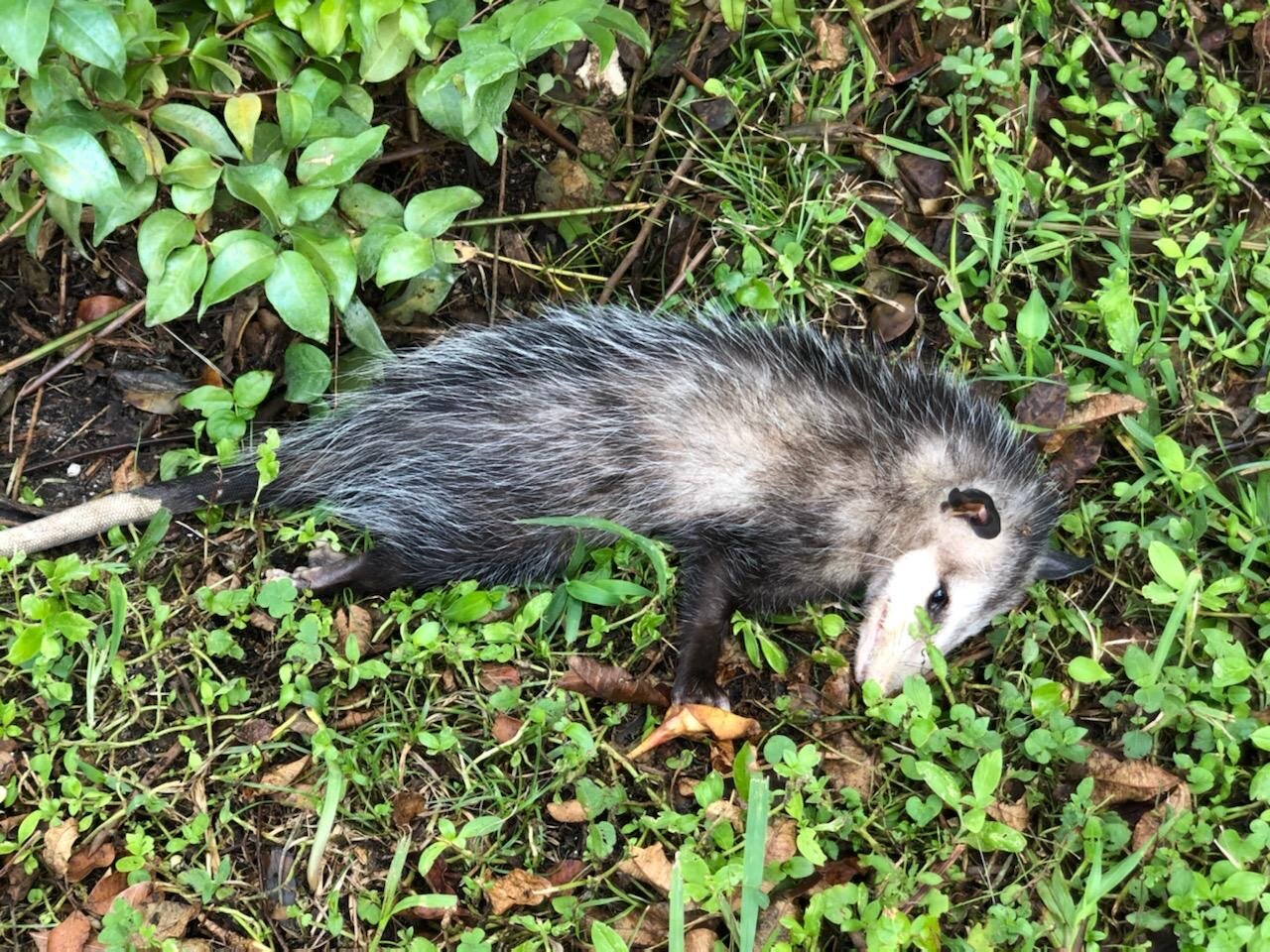
The morning of September 4th, Operation Rescue and Release notified the group chat of an injured Virginia opossum located in coral gables. I was scheduled for my internship that day; therefore, I informed Pelican Harbor Seabird Station I'd be available to perform the rescue and transport it to the station. On arrival, I contacted the good samaritan that reported the injured Opossum, patient 1612. As she guided me to the backyard, she explained she found patient 1612 hanging by its arm caught in the crack of a wooden fence. How long the opossum found itself dangling from the wall is unknown. The finder and her husband freed the Virginia opossum from the barricade, but it was evident damage was done on the front left arm. Patient 1612 was kept in the corner of the fence and offered a mixture of fruits, yogurt, and egg until help arrived; although this was a healthy diet, providing food to an injured animal before the rescue isn't recommended. Onsite, patient 1612 seemed very stressed, so I used a towel to cover its head and proper gloves to carefully transport it into a box I had prepared with a towel inside. From there on, it was a quiet ride to the station.

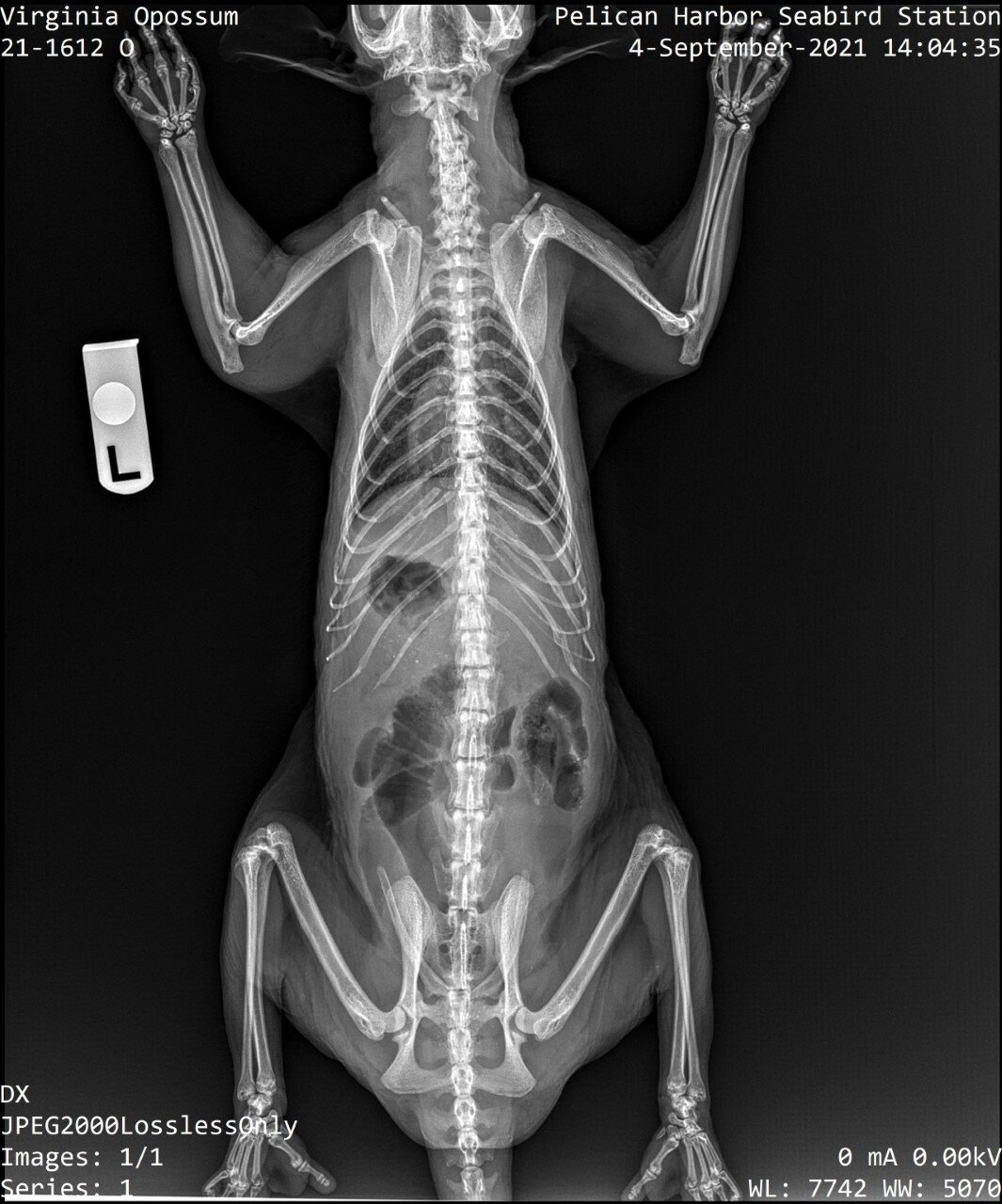
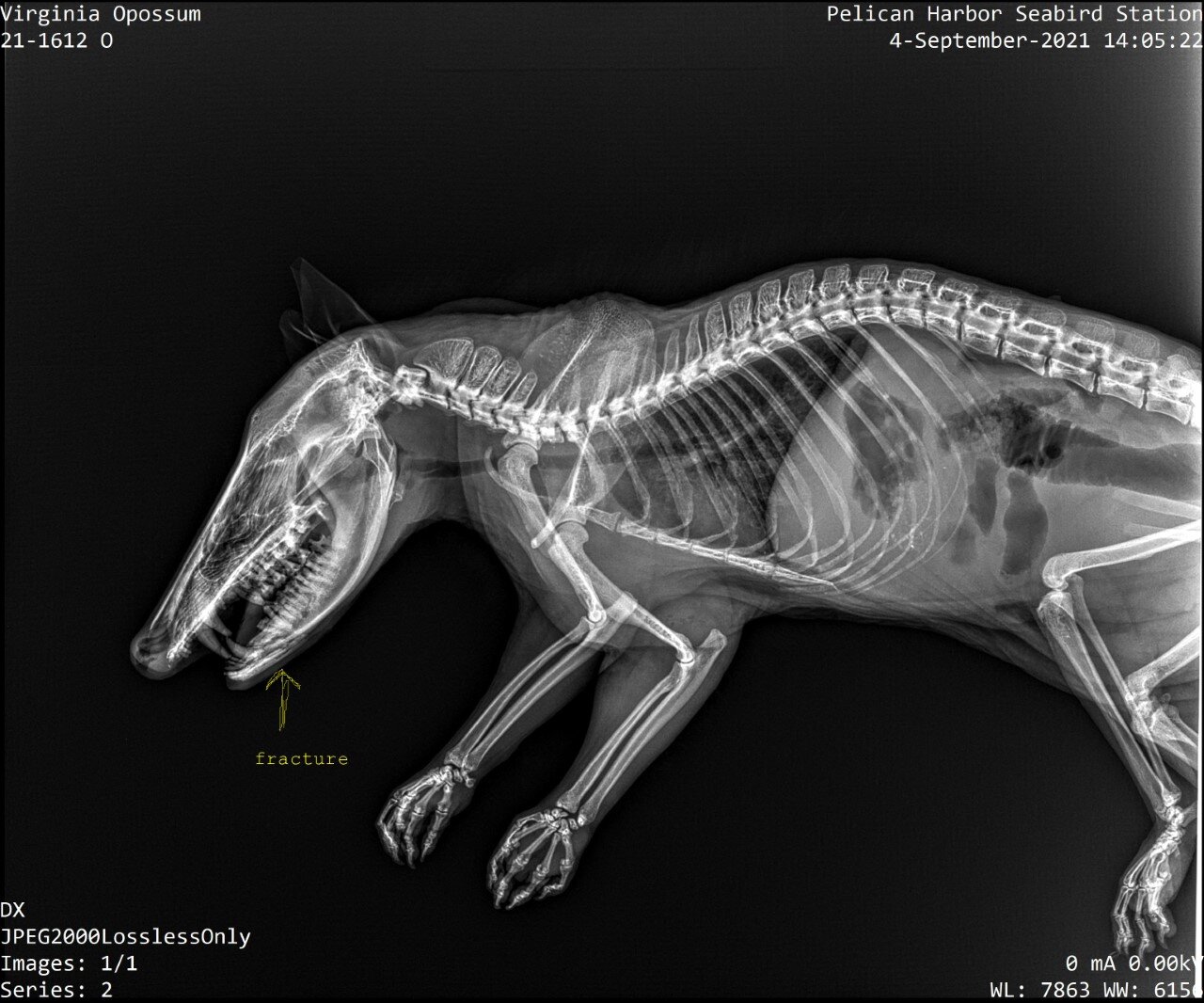
When arriving at the clinic, Yaritza, one of pelican harbor seabird station's most talented and highly experienced wildlife rehabilitators, performed an intake exam on patient 1612. She concluded an x-ray was necessary to determine whether a fracture was present in the left front arm. I assisted with placing patient 1612, a now confirmed adult female, into a box to be weighed on the scale. She had a total weight of 2,545 grams, and staff indicated that I pull 90cc of subcutaneous fluids that would be given to her via subcutaneous fluid administration, an injection directly under the skin. The patient was placed under anesthesia to get a complete x-ray of her body. There was no indication of a fracture in her left arm; however, Yaritza discovered a fracture in the lower jaw on the left side. I transferred patient1612 from the x-ray table to the exam table. I assisted Yaritza by holding patient 1612's head and mouth open while she flushed and cleansed the bone exposure. Yaritza thought quickly on her feet and proceeded to sow three stitches in the lower jaw as a temporary solution to hold everything in place. Patient 1612 was given the following medications via intramuscular injection: Meloxicam, an anti-inflammatory drug; Buprenorphine, a pain reliever; Ivermectin, a medicine used to treat parasites; and finally, Excede, an antibiotic. Patient 1612 also received laser therapy for her swollen left arm to help reduce the inflammation and minimize the pain.

Dr. Schneider performed surgery a few days after intake to remove the underlying infectious tissue from the wound on her front arm. The wound was so infected that we treated it as an open wound. We would clean the wound daily and replace the bandage with a new wet to dry bandage. Wet to dry bandages are used with infected wounds to draw out the infection. Along with daily bandage changes we would also cleanse the fracture site of the jaw to prevent infection. She also received laser therapy on both the rostral mandibular fracture and left front arm. Unfortunately, as the days went by, patient 1612 refused to eat overnight, causing her to lose weight drastically. There was significant tissue and nerve damage on the left front arm; therefore, staff concluded the front left limb would never function again. Patient 1612 would not be suitable for release with amputation. Therefore, euthanization was the most humane outcome for the patient. 

In conclusion, homeowners must keep in mind our furry and nocturnal neighbors and be up to date with the maintenance of their property. You never know whose life you may be saving with a simple fence repair.

Young Survivor

Written by: Maria Rakita, PHSS Intern

Image-1.jpg

Patient 21-1465 was a baby Grey Squirrel that fought to survive by her strong will and with the help of Pelican Harbor Seabird Station. Patient 1465 had fallen from her nest when she was found by a local bystander. They attempted to renest her, but sadly the renesting was not successful and she had to be brought in eight hours later. During her intake examination, she was found to be cold to the touch, slightly dehydrated, timid, had dirt in her nose, and weighed 39 grams. Patient 1465 was in dire need of help, especially since she wasn’t able to be reunited with her mother.

    After her intake examination, she was given fluids subcutaneously and oral mammal electrolytes. Fluids that are given subcutaneously are similar to the fluids given to a person through an IV. It is meant to keep the patient hydrated under the skin, hence sub(under) cutaneous(skin). In order to give fluids subcutaneously, the fluids must be calculated based on their weight, then we add a small amount of vitamin B12 to the fluids. The fluids will build up and create a bubble under the skin which will slowly be absorbed by the body. The electrolytes that were given are meant to help rehydrate the baby squirrel. We have specific refeeding guidelines for new orphaned babies. They start with mammal electrolytes and are slowly introduced to a specialized formula. We do this because the formula we give them is not exactly the same milk they get from the mom, so introducing them to our formula too quickly can cause digestive issues and dehydration. The main plan was to keep an eye on her attitude, weight, and normal physical growth. We updated her feeding plan daily to determine how much milk she will be fed and when to introduce solid food. 

IMG_3727.jpeg

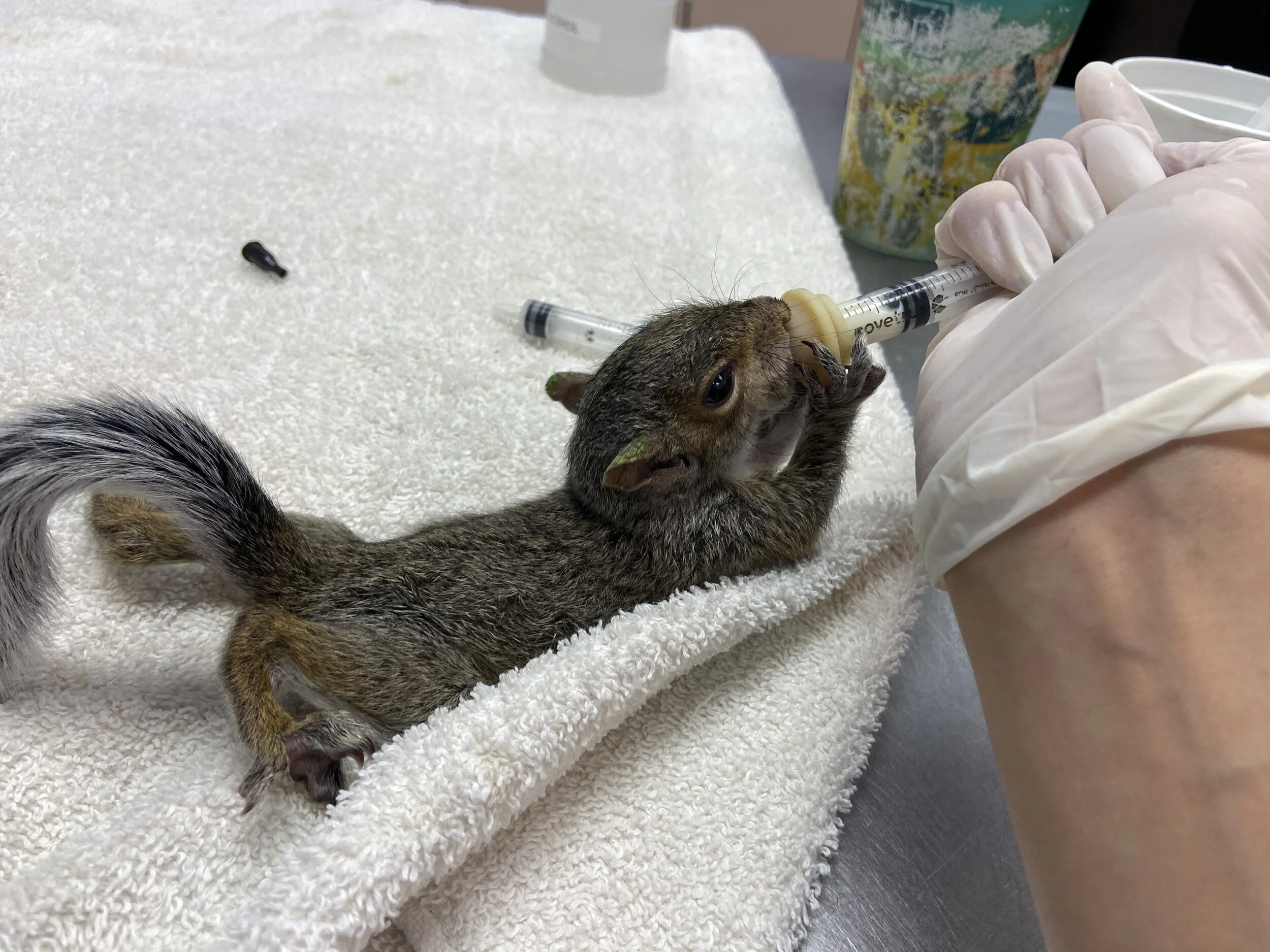
    Feeding squirrels can be extremely difficult because they are prone to aspiration, a condition in which fluid is inhaled into the lungs. When a squirrel becomes aspirated it can lead to more severe problems such as aspiration pneumonia which is why we encourage the public not to feed them. Unfortunately, patient 1465 became aspirated a couple of days after she was brought in because she was so hungry, she suckled too hard on the nipple. It could be deadly if not treated, however patient 1465 was in good hands and was given medicine right away. She got SDT (an antibiotic), as well as nebulization treatments to help clear out the lungs and prevent aspiration pneumonia. 

      Patient 1465 progressed very well with the treatments prescribed. As she grew in age, weight, and physical appearance she was able to eat what we call a soft squirrel diet and her formula. Soft squirrel diet is soft fruit and vegetables, as well as a specific biscuit that is soaked in water, so it is soft. Her weight increased and her fur looked healthy and soft. After a month of being fed formula and a soft diet, she was paired with other squirrels around her age to become wilder. We want a squirrel to become “wild” so it has a better chance of survival in the wild, so by pairing up squirrels they will be influenced by each other’s crazy and excited behavior. Since patient 1465 came in so quiet she was very calm, so pairing her up with other squirrels helped her become wilder. Patient 1465 and her group were fed a dry diet now which means they had fruit and vegetables, nuts, seeds, and a specific biscuit that is hard. Once squirrels’ teeth start to grow it is important to provide them with plenty of hard food that will prevent their teeth from overgrowing. 

   The next month, patient 1465 was moved outside into our aviaries to get used to the outdoor climate, socialize more, and hone her natural behaviors and skills.  It is important to contact your local wildlife center if you find an injured or orphaned wild animal. This way they can properly assist you in what to do. We understand that when people find animals they are just trying to help but what we want to express is that what you think may be helping the animal could actually be harming it further. Pelican Harbor Seabird Station’s clinic staff has the proper training and experience when it comes to treating and caring for South Florida's native wildlife. All in all, squirrel 21-1465 was released and is now living her best life in the wild.