A Hoot and A Half

Written by: Cynthia Verling, PHSS Intern

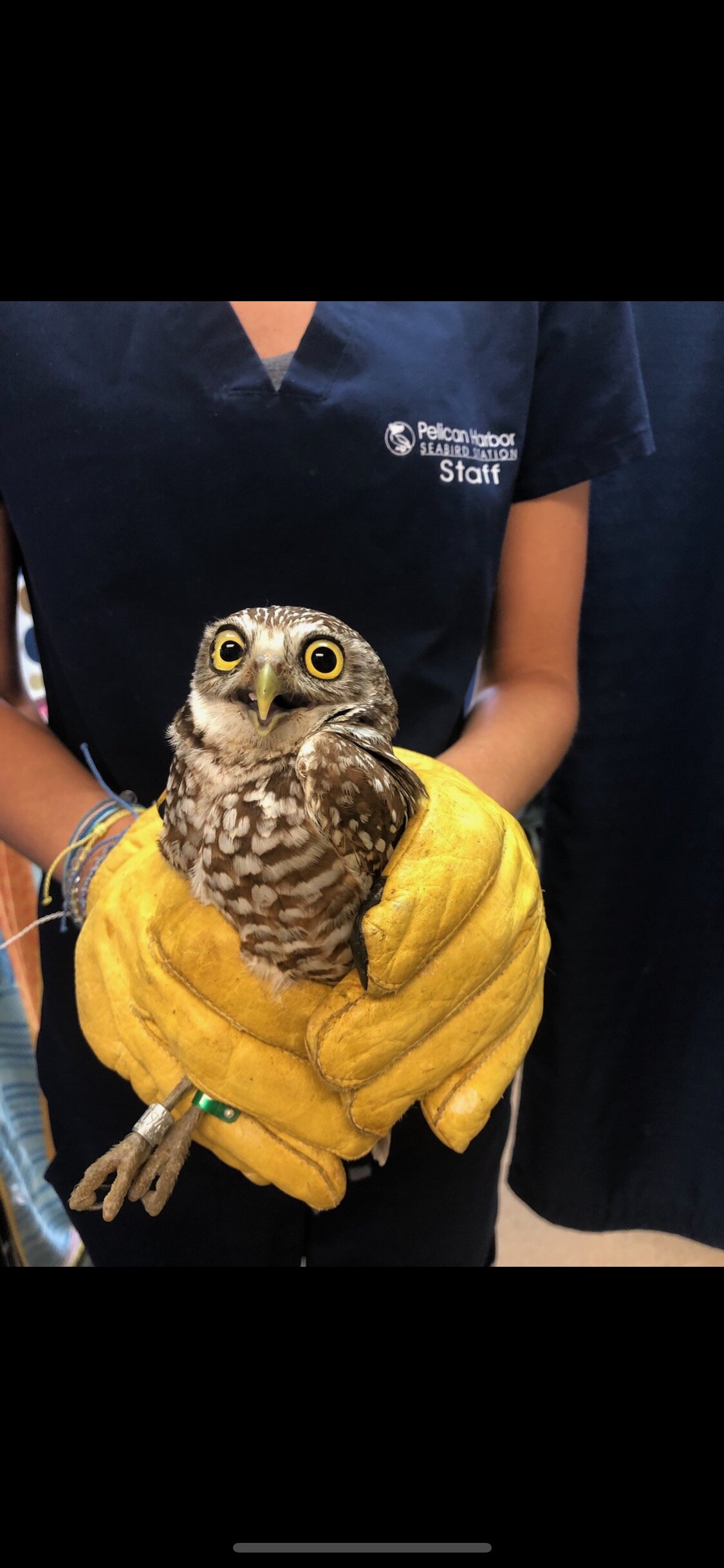
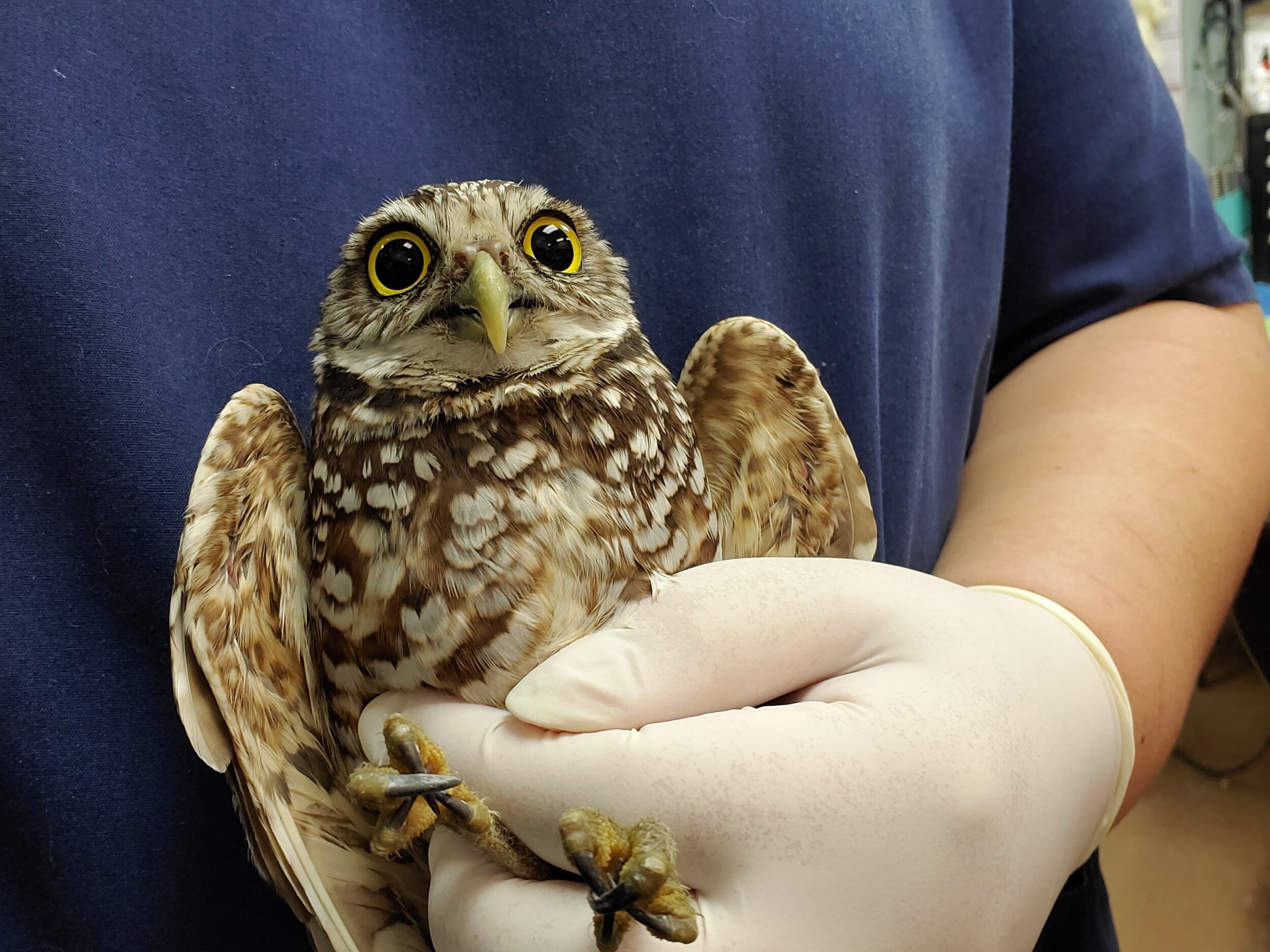
Imagine you are walking on a sunny day in the lovely city of Cape Coral and stumble across a burrow! You wonder, who made this carefully crafted burrow their home? Is it a mole? Is it a gopher? It’s a burrowing owl! With bodies reaching a maximal length of 9.8 inches and a wingspan of 21.6 inches, these one of a kind avians are one of the smallest owls in the State of Florida and are classified as State Threatened by the Florida Fish and Wildlife Conservation Commission (FWC)., These ground-dwelling owls create burrows and nests underground, as hinted at within their scientific name, Athene cunicularia – cunicularia meaning to mine or burrow in Latin. Unlike the usual image of owls peering down from trees in dense forests, burrowing owls live in vast open habitats, such as grasslands. Their burrows can stretch for lengths ranging from 6 to 10 feet, consisting of intricate tunnels weaving about 3 feet below the surface containing several bends and paths at the end of which a chamber can be found that harbors their nest., Some owls will use existing burrows or even pipes to build their burrows. The entrances to these humble abodes consist of mounds of dirt, grass, human trash articles, and are also covered intentionally by the owl with animal dung to attract insects which they can then eat. Their burrows not only serve to store away food in plentiful amounts during the period of incubation and brooding, but also provide an environment in which temperatures are better regulated and further aid in preventing the owls from dehydration during very hot days. Although, with increasing human developments and urbanization, habitat loss is an imminent and ongoing threat to these owls. In response, these owls begin to build burrows in urban environments, such as golf courses or even airports. Characteristic traits of adult burrowing owls include their dazzling yellow eyes, spindly long legs that allow them to get a better outlook from the ground-level, short tails, brown dorsal feathers with white spots and white ventral feathers with brown bar-shaped patches, distinct white eyebrows and throats, and characteristic round heads without the familiar ear tufts commonly seen in woodland owls., Nestlings on the other hand have cream-colored downy feathers that have less distinct speckles. Their diet consists mostly of insects but can also include other small birds, fish, rodents, and particularly in Florida, reptiles, such as snakes, frogs, and lizards, as, after all, raptors are carnivores.

The burrowing owl is arguably a perfect embodiment of the idiom “rare bird,” as it has so many unique attributes that set it apart from other birds in the family Strigidae. In addition to their peculiar small size and absent ear tufts, these owls are diurnal rather than nocturnal during the breeding season, thus showing activity during the daytime., Known to be very animated and sprightly, it is not uncommon to see these owls bobbing and bouncing up and down, while nestlings will even playfully leap at one another and prey, accruing at the same time important behavioral skills to prepare them for hunting later in life. Interestingly, nestlings also are known to imitate the rattling of a rattlesnake from within the protection of their burrows as a defense mechanism to ward off unwanted visitors, such as predators and humans., As a consequence of being the only species that perch on the ground, burrowing owls behave differently than one would expect; for example, if bothered or hunting they can be seen pushing themselves flat against the ground or running, respectively, as opposed to flying like owls usually do. Even more fascinating is that unlike other raptors, where the female is visibly larger than the male, which is termed “reverse sexual dimorphism,” female and male burrowing owls are the same size, with the latter being only a mere 3% larger – a size difference imperceptible to the naked human eye at first glance. Furthermore, male and female Burrowing Owls bear the same coloration, which is interesting as sexual dimorphism dictates that female and male conspecifics have traits that differ between them, and in many birds, this usually results in males exhibiting a visibly larger size or significantly more extravagant plumage coloration or ornamentation– traits that serve in courtship or competition for mates. Burrowing Owls pair for life, and unusual for an owl, are not solitary, but rather prefer to live in small colonies. This can be explained by the principle of group living, believed to have evolved independently in many different species. Group living confers advantages such as greater protection against predators, group defense, increased feeding efficiency, sharing of behaviors and communicating information, increased rate of reproduction due to access to potential partners, shelter, division of labor, and social thermoregulation. Burrowing Owls exhibit such social behaviors as the male and female even take turns in incubating the eggs, foraging, and caring for the offspring. Therefore, smaller species are often found living together in groups. Lastly, due to the significant amount of time they spend underground where there is less oxygenated air, they have an adaptation that confers them an increased tolerance for carbon dioxide.

These incredible avians are, however, under threat of habitat loss, degradation, and fragmentation, as well as climate change, and rodenticide poisoning, which all have long-lasting impacts on entire ecosystems. Burrowing owls fall victim to secondary rodenticide toxicosis called “bioaccumulation” when they consume rodents that have consumed rodenticide., Second-generation anticoagulant rodenticides (SGARs), e.g., brodifacoum, are slow-acting anticoagulants, which result in the rodents not dying instantly. This leads to poisoned rodents slowly becoming weak, but because they are not instantly killed, they roam about, becoming more easily caught by predators such as Burrowing Owls. Bioaccumulation, however, causes for the period the rodent is alive to allow for a buildup of toxins to a much greater lethal dose. As the owl consumes the rodent, the toxin moves through the food web from rodents (secondary consumers) to burrowing owls (tertiary consumers), running the risk of accumulating even greater lethal amounts of poison over time at a rate greater than it can be broken down, this time in the burrowing owl. Brodifacoum is according to one source, the most widely used rat poison in the United States, and has a very long half-life in animals. A study conducted from 2006 to 2010 at Tufts Wildlife Clinic at Tufts University’s Cummings School of Veterinary Medicine reported that from 161 birds, 86% had anticoagulant rodenticide residues in their liver tissues, of which 99% had brodifacoum in their liver tissues. Moreover, only 9 of these birds that tested positive exhibited clinical symptoms, demonstrating that many affected may not show visible signs of poisoning, which is critical given the concern of bioaccumulation at an ecological level. SGARs function by inhibiting the enzyme vitamin K reductase, which under normal conditions allows for the reactivation of vitamin K – a fat-soluble vitamin that plays a vital role in the coagulation cascade by producing coagulation factors I, II, VII, IX, and X in the liver and synthesizing Protein C, Protein S, and Protein Z that serve to prevent thrombosis., During the coagulation cascade, the factors produced by vitamin K are crucial to allowing the downstream activation of prothrombin to form thrombin, the latter of which ultimately stimulates the conversion of fibrinogen to fibrin, which traps platelets to form a spongy mass that hardens into a blood clot and prevents one from bleeding out. Additionally, the Cornell Wildlife Health Lab explains that animals commonly have stores of clotting factors that delay the full effect of poisoning for 3-5 days following ingestion and the hemorrhaging onset. While coagulation panels (a blood test) exist for diagnosing anticoagulant rodenticide toxicosis in domestic animals, there are currently no existing blood tests for birds to screen for rodenticide toxicosis. Burrowing owls that get a lethal dose through consuming an affected rodent face an inhumane slow death from internal or external bleeding that causes them to weaken, which may cause them to obtain injuries in the meantime, until either the hemorrhaging or other life-threatening injuries sustained while weakened eventually kill them. If rodenticide toxicosis is evident, vitamin K can be administered to act as an antidote and help restore the blood coagulation cascade to normalcy. Additionally, stomach flushing, inducing vomiting, and administering activated charcoal are all treatments that may be used to prevent additional absorption of toxin by the body. 

Raptors such as Burrowing Owls play a critical ecological role both in the wild and in urban areas. Rodenticide toxicosis in these incredible avians is not just an issue to be left to conservationists and wildlife rescue and rehabilitators, but is a public issue that must be addressed at the source to prevent further systemic damage throughout food webs, as maintaining a sustainable and biodiverse ecosystem is a necessary goal for conserving, protecting, and restoring healthy and vibrant wildlife and their habitats and by extension and directly in relation also human health, as we are all connected and a part of the planet’s ecosystem.
Sources:

Conway, Courtney J. “Burrowing Owls: Happy Urbanite or Disgruntled Tenant?” In Urban Raptors: Ecology and Conservation of Birds of Prey in Cities, edited by Boal C.W., and Dykstra C.R., Washington, DC: Island Press, 2018. 

Cornell University. “Burrowing Owl: Identification.” The Cornell Lab of Ornithology

Cornell University. “Raptors and Rat Poison.” The Cornell Lab of Ornithology

Cornell University. “Rodenticide Toxicity.” Cornell Wildlife Health Lab

Florida Fish and Wildlife Conservation Commission. “Burrowing Owl.”

Khan, Safdar A., and Mary M. Schell. “Anticoagulant Rodenticides (Warfarin and Congeners).” Merck Veterinary Manual. Last modified October, 2014.

Libre Texts. “Role of Vitamin K.” Last modified August 13, 2020.

Murray, Maureen. “Anticoagulant Rodenticide Exposure And Toxicosis In Four Species Of Birds Of Prey Presented To A Wildlife Clinic In Massachusetts,” 2006-2010. Journal of Zoo and Wildlife Medicine 42, no. 1 (2011): 88–97.

National Audubon Society. “Guide to North American Birds: Burrowing Owl.”

National Geographic. “Biomagnification and Bioaccumulation.”

National Marine Sanctuary Foundation. “Sea Wonder: Burrowing Owl.”

Owl Research Institute. “Burrowing Owl: Athene cunicularia.”

Runnells, Charles. “Cape Coral's burrowing owls: Everything you need to know about the city's famous bird.” The News-Press. February 23, 2019.  


Vallejo, David. “Animal’s social behavior: Group living.” Zoo Portraits. July 17, 2018.

The Vitamin B Guarantee

Why B Vitamins are Essential in the Treatment of Animals

Written By: Samantha Martinez, Environmental Educator

Here at Pelican Harbor Seabird Station every patient admitted gets an intake exam as soon as is deemed appropriate for each animal. An intake exam is the observation of the patient and the hands-on exam, as well as initial steps of diagnosing the issue and beginning treatment for the patients that come into our care. This includes physical examinations of the patient's body, obtaining a weight, administering anti-parasitic medication when appropriate, and subcutaneous fluids with vitamin B complex. We administer a complex of these vitamins to prevent any imbalance of a singular B vitamin since each is required for independent body functions. According to PHSS’s Rehabilitation Manager Yaritza Acosta, “Usually animals are coming in with some level of stress, debilitation, and dehydration, so we give them a boost of B vitamins on intake for overall health and cell function.”

According to the NWRA wildlife formulary, B vitamins can be very useful in increasing appetite and have been anecdotally shown to help with growth in poor-doer infants, specifically baby opossums. Vitamins B2, 3, 5, 6, 7, and 8 are important for skin quality and skin barrier function. Meaning that without them, the skin would not be able to properly keep in essential fluids and keep out unwanted chemicals and bacteria from the body. These vitamins are also important for numerous micro functions throughout the animal's body such as the formation of cell membranes, the growth of epidermal cells, cellular respiration, and taking part in metabolizing carbohydrates for energy.

Vitamin B12, also known as cobalin, is also very important for liver and pancreas function. Vitamin B12 along with B6 and B1 are also essential for the maintenance of a healthy nervous system which makes them very helpful in cases of CNS (Central Nervous System) trauma. Without an appropriate amount and diversity of these nutrients, animals may experience dysorexia, alopecia in mammals, non-pliability of the skin, and nervous system dysfunction. Thankfully, with the help of our community in the forms of both medical supplies and monetary donations, we are able to continue to provide these basic vitamins and minerals along with many other much-needed medications, food, and equipment. 

Sources

“The Importance of B Vitamins.” Veterinary Practice, 25 Aug. 2021

Kobeissy, Firas. “Autoantibodies in CNS Trauma and Neuropsychiatric Disorders.” Brain Neurotrauma: Molecular, Neuropsychological, and Rehabilitation Aspects., U.S. National Library of Medicine, 1 Jan. 1970 

MO;, Calderón-Ospina CA;Nava-Mesa. “B Vitamins in the Nervous System: Current Knowledge of the Biochemical Modes of Action and Synergies Of THIAMINE, Pyridoxine, And Cobalamin.” CNS Neuroscience & Therapeutics, U.S. National Library of Medicine 

Shaffer, Dr. Catherine. “Vitamin b Deficiency.” News, 27 Feb. 2019

Wonderful Warblers

Written By: Sarah Stinson-Hurwitz, Wildlife Intake Associate

Fall migration is in full swing! Sweet little warblers are migrating all the way down to Central and South America for the winter after summering in the Eastern United States and Southern Canada. Here in South Florida, we are lucky enough to be a stopover migratory site and see a lot of these little fellas in the fall. 

unnamed (1).jpg

We often get calls at the station when a finder sees a warbler, like the Cape May warbler shown on the left, on the ground not moving. A common first thought is that it needs help — it must be suffering from a broken wing or are unable to fly. If the warbler has a visible injury, your rehabilitation center should be contacted immediately. But oftentimes, the bird is just stunned from a collision with a window or another obstacle and needs a moment to recuperate. The best thing to do when you find a stunned warbler is to stand back and observe for about 20 minutes to see if they recover and fly away on their own. If not, it's time to take a photo and call us (or your nearest rehabilitation center) to determine next steps. 

Window collisions are the second deadliest human-related cause of bird injuries (cat attacks are the first). You can do your part to aid in their prevention by putting decals on your windows where collisions occur. The decals are made using the ultraviolet spectrum which is transparent to us humans but highly visible to birds. Collisions occur because birds are confused by the reflections of vegetation and sky they see in windows, and the decals upend this illusion. We also recommend placing feeders and bird baths either within three feet, or more than 30 feet, away from windows so that when birds take off they will not hit windows at dangerous speeds. If you are interested in acquiring decals, we have some available in our online store.  You can help make the world a safer place for warblers and all birds!

Why Passerines Aren’t Pets

The benefits of re-nesting songbirds 

Written By: Samantha Martinez, Environmental Educator

Humans have the amazing ability to empathize with their surroundings. To put themselves in the shoes of beings other than themselves. This is unequivocally a characteristic that we should nurture and be proud of. However; our own empathy that is meant to be used to help those around us can sometimes harm them when we are not fully aware of the effects of our actions. The most common situation that we experience like this at Pelican Harbor Seabird Station involves baby songbirds or mammals. Today we will dive deeper into the needs of baby passerines, also known as songbirds. And remember, always reach out to your local wildlife center if you find any wildlife that seems to need help

Nestling  Mockingbirds  Calling Out For Their Next Feeding From Mom & Dad 

From February to August Each year, parent songbirds will build a nest, incubate their eggs, and invest all of their energy into raising the next generation of their species. Inevitably they will run into a few roadblocks. For instance, a strong wind may knock all of their hard work completely out of the tree, babies and all. A  few may be stumbled on by humans who are more than willing to help. Now someone's first instinct may be to take the babies home and begin to feed them. This may seem like the most logical course of action but is actually not the best way we can help and has actually been coined “Bird-Napping”. In cases of fallen nests with birds that are too young to learn to fly, re-nesting would be the best option.

But what about older birds? Baby songbirds learn to fly from the ground up and can be found hopping on the ground as they build up their wing muscles until they are able to fly. In the case of baby birds learning to fly, it may look strange to us to see a bird on the ground. However, this is a completely natural process that every songbird must go through so it is important that we respect this process and leave the fledgling birds to complete their flying lessons. While their parents may not be easily visible, they are keeping an eye out for their little ones. 

Depending on their life stage, re-nesting or simply leaving them alone may be the right answer. Information on how to renest a baby bird and identify the life stage of said bird can be found here on the PHSS website. Two videos from our website will also be included at the end of this article.

Juvenile Northern Mockingbird Learning To Fly From the Ground Up

If you are still feeling iffy about the idea of leaving the baby birds, you should also be aware of the dangers you may unintentionally be imposing on these helpless younglings. Firstly, different species of songbirds each take up a specific niche in their environment when it comes to the foods they eat and baby songbirds can be extremely difficult to identify correctly. Feeding a baby bird something other than its natural diet can lead to digestion issues, growth stunting, a weakened immune system, or even death. Secondly, being raised by people can completely take away a bird's ability to behave normally in the wild and have the proper social skills to connect with other conspecifics (members of the same species) and may prevent them from breeding in the future. Though they are absolutely adorable and if raised by people can become quite friendly, wild birds or any wild animal for that matter should never be kept as a pet if it has the potential to have a full life in the wild since wild animals are biologically on every level different from domesticated animals and have much more complicated requirements to stay happy and healthy. 

All in all, good people from all walks of life stumble upon baby birds during nesting season and hear the call for help from these younglings. It is important to keep our empathy intact and do what we can but also be aware and informed of the best ways to help these animals before our good deed goes awry. Whether that be to put them in a strawberry basket with some leaves and re-home them in the closest tree or bush and wait for mom and dad to return or if the best thing is to just leave them be so they can grow into healthy well-adjusted birds. Either way, it is important to not let our first judgment and good intentions take away the right of every wild animal to be free. 


Found a baby bird? Here are some videos to help you identify the best course of action:

Comfy Cardinal Condo for Three

Written by: Sarah Stinson-Hurwitz, Wildlife Intake Associate

In late July, a worried citizen noticed a couple of cardinal nestlings in some tall grass. She took a look around to see if she saw the parents or a nest and she was able to locate the nest these babies fell from but their nest was too high for her to reach. She contained them and brought them into the station, and after a quick check-up, our wildlife rehabilitators determined they were perfectly healthy and renesting them would be the best next step!. 

cardinals.jpg

Do you know what to do when you find healthy uninjured nestlings on the ground? If the nest is out of reach and their parents are in the area (we recommend waiting a few hours to give the parents a chance to return if you don’t initially see them) a renest is the next step! Renesting is always our preferred choice for uninjured nestlings because momma birds are the best qualified caretakers for their babies. Renesting entails making a new home for babies (with a small box: cardboard, plastic strawberry carton or anything with drainage) and attaching to the tree they came from or one nearby or if possible placing babies back there original nest. https://www.pelicanharbor.org/baby-bird-help

cardinal.jpg

This is exactly what we did for our little cardinal friends. We snuggled them into a new studio apartment (with drainage of course) and sent them back with the finder to be placed securely in their home tree. The finder brought them back and ensured there was plenty of foliage overhead to protect them from the elements and that their new nest was stable. About 20 minutes after their placement, Momma cardinal heard her babies calls, settled into their new home, and provided a nice fresh breakfast.    

Finders are often worried momma bird will have trouble finding her babies after a renest, but just like humans, momma and baby alike have distinct calls (like our voices) and use them to recognize one another! If you ever find a wild animal that you think may need help, give us a call and we will guide you to determine the best course of action.

It Doesn't Stop with DDT

Written by: Samantha Martinez, Environmental Educator

“Out of sight, out of mind”. It is how we feel when we stuff our laundry under our beds and walk away from a stressful situation. However; it is not the philosophy we should take up when it comes to the effect of pesticides on the environment around us. Here at Pelican Harbor,  these effects often show up right at our doorstep, either in the form of malnourished nestlings or suspected pesticide poisoning cases in both young animals and adults. In these cases of animals brought in to us, we can begin treatment immediately to flush out these toxins from the animal’s system with fluids and vitamins. Once healed and released back into the wild, we have to hope that the patient doesn’t have another run-in with the number of ingestible poisons that can be found in urban areas such as Miami. 

You may remember or have heard of the disastrous effects that the pesticide DDT had on bird populations, most notably on the eggs of the Bald Eagle and the Brown Pelican, bringing both species to the brink of extinction. This synthetic chemical would not usually harm an adult bird outright but would affect the calcium metabolism in adult birds leading them to lay eggs that were not strong enough to withstand the weight of the parent incubating it. Though these effects were pertinent throughout the 1940s when DDT was first developed, it was not until 1972, two years after the establishment of the EPA and ten years after the release of multiple studies on the aftermath of the pesticide, that DDT was banned from use in the U.S. When we look at the commonly used pesticides today for both agriculture and personal gardening it is hard to say that we are not also ignoring the negative side effects of these pesticides on the wildlife around us. 

One of the most commonly used pesticides in home gardening in the US is Permethrin, a type of Pyrethroid. This is a family of synthetic pesticides meant to mimic and enhance the effect of the natural pesticides found in chrysanthemum flowers. This insecticide works by allowing sodium ions into the neural membrane of the victim in copious amounts, leading to depolarization and hyperactivity of the neuron. Eventually, after muscle spasm caused by this neural incapacitator, the victim will pass away. Pyrethroids have been thought to be an effective and safe insecticide due to their lack of toxicity when exposure is dermal or respiratory. Meaning, as long as you don’t mistake it for your margarita mix, it’s not going to have an obvious effect on your body. Most adult animals can process the chemical as long as it is not ingested orally or injected directly into the animal. However, this chemical can still be harmful to people. Pyrethroids are unaffected by secondary treatment in municipal waterways and therefore trace amounts can be found in most drinking water where the chemical is used. It has also been reported that young children with asthma or infants can have adverse effects from even minimal exposure. 

Though Pyrethroids are supposed to be a targeted insecticide it does still manage to have an effect on the animals other than the intended targets. For example, it has been shown time and time again that this toxin has a negative effect on our already dwindling bee population. The most susceptible classes of animals besides insects to this specific toxin are amphibians and plankton, which are all vital members of their food webs and most susceptible to chemical runoff in the water. Pyrethroids can also be very lethal to cats since their liver cannot process it as well as that of other mammals. Lastly, when it comes to our feathered friends, while this specific toxin is able to be expelled from their bodies quite quickly with minimal effect, it has been shown that the decrease in the insect population has led to more deaths in first-year insect-eating songbirds. 

It is not only our backyard pesticides that have a negative effect on the environment and we cannot solely or even heavily place blame on the individual gardener attempting to rid his home and yard of pests. Agricultural use of pesticides like neonicotinoids, a chemical closely related to nicotine, has continued to increase despite the overall decrease in pesticides themselves over the past two decades. Neonicotinoids, neonics for short, which are bred into the seeds of the crops, are used in 44% of farms in the U.S. This allows cheaper protection for crops such as soy, corn and canola but also has a severely adverse effect on the local environment since only 5% of the chemical is cultivated in the plant and the rest is lost to water runoff at the seed stage. Neonic then finds itself in local water sources, affecting animals from the bottom to the top of the food chain. 

Besides being aware of the crops we buy and the chemicals they may harbor, there is little we can do to affect the pesticide use of large agricultural based businesses. What we can do is take a look at our own yards and neighborhoods and choose to treat them with natural, less harmful pest preventions such as companion planting, using soaps and plant oils or introducing predators to your pests such as ladybugs. Whatever you choose to do for your home, it is important to keep in mind that when it comes to the dangers of pesticides, it did not stop with DDT. 

Sources:

Connected, Science, et al. “Organic Gardening and Alternatives to Pesticides.” Science Connected Magazine, 6 June 2021

“The Origins of EPA.” US EPA, 9 July 2021

“The Same Pesticides Linked to Bee Declines Might Also Threaten Birds.” Audubon, 14 May 2019

Wikipedia contributors. “Pyrethroid.” Wikipedia, 15 Apr. 2021

A Blue Jay's Last Chance

Written by: Daniela Hojda, PHSS Intern

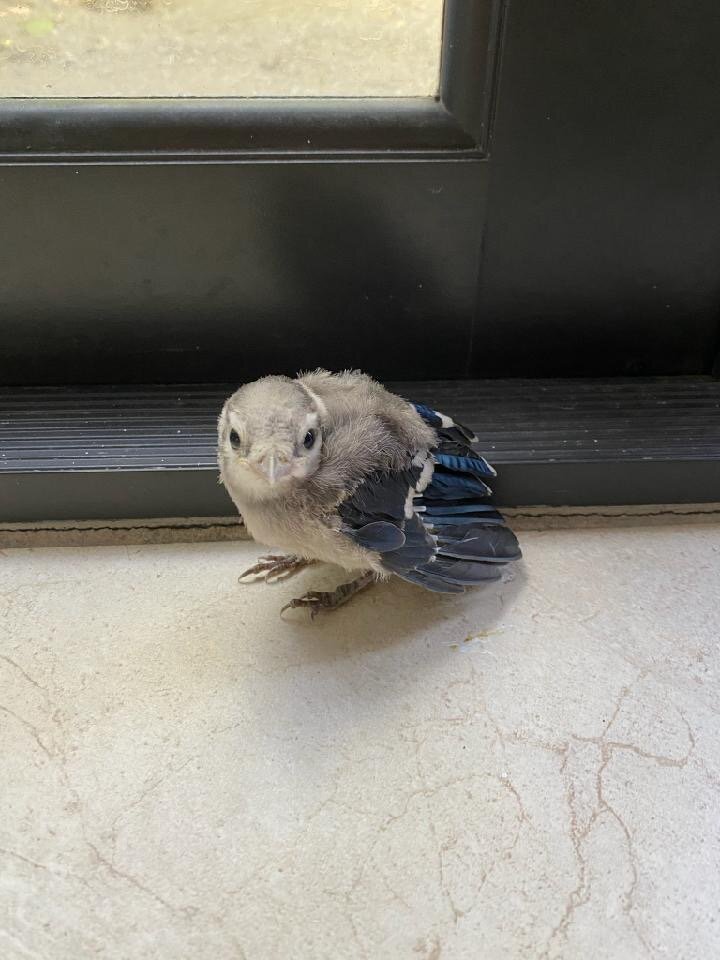
Pelican Harbor sees Blue jay nestlings all the time, so when patient 21-1193 arrived at Pelican Harbor cold, depressed, and dehydrated, the rehab team knew exactly what to do to save it. It was immediately placed in an incubator to try to bring its body temperature up, and given several medications to help with each issue it presented with. Patient 1193 was given subcutaneous fluids with vitamin B complex, which are vital in helping resolve a patient’s dehydration. Often, vitamin B complex is added to the subcutaneous fluids to increase a patient’s appetite and to increase their metabolic and brain function. Also, one of the staff members heard crackles when she listened to the patient’s lungs, indicating that 1193 had aspirated. Aspiration is usually seen in baby birds when they are not brought into Pelican Harbor immediately after being found. Before bringing a baby bird to Pelican Harbor, people sometimes try to take care of and feed it. It is very easy for baby birds to aspirate food if not fed correctly, and this may lead to several health problems such as aspiration pneumonia, which in such tiny patients, is often fatal. Patient 1193 was prescribed sulfadiazine/trimethoprim (SDT), a broad spectrum antimicrobial medication, in order to help resolve the aspiration. After a few hours at Pelican Harbor, patient 1193 was much more alert and active. By the next day it seemed like a perfectly healthy nestling.

Unfortunately, two days after patient 1193 was brought to Pelican Harbor, the rehabilitation staff noticed that its right leg was resting in a concerning position, and the patient struggled to stand on it. The staff took radiographs to try and figure out why patient 1193 could not bear weight properly on its right leg. They found an old fracture of the right tibiotarsus, which had healed completely unaligned. Because the fracture was not aligned before healing, the patient’s leg was permanently bent in a way that made it unable to stand properly. This was a very worrying finding for patient 1193’s future, because an animal that is unable to use one of its legs cannot be released back into the wild. The decision was made to give patient 1193 a fighting chance by performing a surgery where the veterinarian will realign the old fracture so it can heal correctly. Once the bone is realigned, the veterinarian will then put a pin through the bone to hold the bone in place and keep the broken ends aligned. Although this surgery is extremely risky for such a small and young bird, this was patient 1193’s last chance at recovery. The veterinarian used X-rays taken before the surgery so she could get a good look at the bone that needed to be realigned. After the surgery, the staff took another set of X-rays to determine if the pin was in the right place for the bone to heal correctly. The placement of the pin looked promising, and if the patient survived the recovery period after anesthesia, the prognosis for patient 1193 was positive but still guarded. However, it’s important to remember that surgery on such a small and fragile animal is often extremely stressful which makes the recovery process extremely challenging.

Although everyone at Pelican Harbor had high hopes for patient 1193, unfortunately the stress of the surgery and anesthesia took a toll and the patient died a few hours after surgery. The staff at Pelican Harbor gave patient 1193 a fighting chance with this surgery; however, the surgery proved to be too stressful for the young Blue Jay. This type of surgery is one of the procedures used to align fractures in birds; however, the big challenge for this particular patient was how small and young it was, making it a much more risky surgery. If the patient had survived the surgery, the pin would have remained in the bone for a little over a week until a callus around the fracture formed. The patient would then be sedated again to remove the pin. Once the pin is removed we would start extensive physical therapy to ensure the patient has full use of the leg. If the patient maintained full use of the leg and no other issues arose then the patient would be a candidate for release. It’s important to remember that in wildlife medicine, rehabbers must consider that once an animal is released back into their habitat, that animal must be able to fend for themselves. An animal that has any health issues or anatomical flaw that reduces their fitness will most likely not survive in the wild.

Avian Pox: Transmission and Treatment in Wildlife Rehabilitation

Written by: Victoria Heijn, PHSS Intern

Avian pox is a viral disease that is believed to affect most bird species, with cases of pox reported in approximately 230 wild and domestic species. The disease can be highly contagious and may take time to show symptoms after a patient is infected, so it can pose a challenge to wildlife rehabilitators whenever an outbreak occurs in their facilities. Consequently, the clinic staff at PHSS takes precautions and exercises diligence in examining patients, tracking changes in health, and minimizing the spread if a case does arise. With over 100 patients currently receiving care at PHSS (many of them baby birds), it is important to understand how the pox virus spreads, its clinical presentations, and the measures that can be taken to mitigate the impact of the disease. 

Transmission mainly occurs when viral particles enter the body through an opening in the skin. In the wild, it is most commonly spread through the bites of insects such as mosquitoes, flies, mites, fleas, etc. The virus may also be contracted through contact with an infected animal or a contaminated surface such as bird feeders and birdbaths. In a wildlife rehabilitation center, this may include branches or perches, nests, food and water bowls, and toys. The virus may also be transmitted through aerosolized particles. 

The most common clinical presentation seen is known as the dry or cutaneous form, and it consists of the appearance of wart-like lesions on featherless areas of the body, including around the beak, eyelids, legs, and feet. In this form, pox develops slowly after birds become infected, and lesions usually persist for one to four weeks. Birds usually recover from this, and their lesions may heal with some scarring. However, in some cases, the lesions may cause permanent damage such as blindness, malformations of the beak, or loss of digits and feet, depending on the affected area. There is also a risk of mortality due to secondary bacterial infections, and young birds are more susceptible to having lasting defects than adults. In wet pox, or the diphtheritic form, mucus membranes may be affected, and the disease may spread to the respiratory tract. In the least common septicemic form (usually seen in canaries), the virus can lead to depression, anorexia, and death. 

Although there is no definitive cure for pox, supportive care is usually given. This may include topical care of the lesions, usually with an iodine solution. Antibacterial treatment may also be incorporated to fight off bacterial infections. Patients’ diets may be supplemented with vitamins and fluids to promote the healing of their lesions and boost their immune systems. Once patients show signs of pox, they are isolated, and other susceptible patients are closely monitored for similar signs. In addition to placing patients on pox watch, sanitation of any bedding, perches, bowls, toys, and other items shared among patients is vital in preventing the spread of the virus. Sanitation methods include scrubbing with soap, soaking in a disinfecting solution, and decontaminating with a diluted bleach solution. By keeping a close watch on patients and maintaining high standards of sanitation at the clinic, PHSS staff work to support patients that are infected, minimize the spread to others, and prepare patients to be released back into their natural habitats.

Go Fish

Written by: Nicole Perez, PHSS Intern

Nothing is more inviting for a fishing day than beautiful, shimmering south Florida waters. From our perspective, it's the perfect opportunity to take in some fresh air and enjoy a little of mother nature. For our pelican patients at Pelican Harbor Seabird Station, their story is often a different one from ours. Brown Pelican patients 21-1052 and 21-1179, among many others, recall a fishing day as the day they were removed from their natural habitat in order to be treated for hook-related injuries. Patient 1052 arrived at our clinic on May 23rd, 2021 with a sabiki hook attached to its wing near the left humerus and multiple lacerations on his pouch. Patient 1179 arrived at our clinic on June 14th, 2021 with a treble hook pierced through the skin and muscle on its right wing and wrist area. 

Both patients were treated and monitored accordingly throughout their stay and recovery process at our clinic. Pelican 1052 required surgery to repair the pouch tear and pelican 1179 was treated for its wounds. Luckily for these two patients, there were no swallowed hooks or fractures and they recovered well. We’re glad to announce that both patients were released on June 30th, 2021 back into their beautiful natural habitat. 

Since its founding in 1980, Pelican Harbor Seabird Station has treated over 9,000 pelicans, hundreds of which have arrived entangled in fishing gear or have hook-related injuries. While patients 1052 and 1179 were given a second chance at life, others were not so fortunate. You have the power to help us protect these birds by being cautious when fishing and disposing of your fishing tackle properly.

If you're not already hooked on why saving our brown pelicans is vital, here are some cool facts about them:

  • Brown Pelicans were on the brink of extinction 40 years ago largely due to DDT (a harmful pesticide that has since then been banned). After being placed on the Endangered Species List, the Brown Pelican have since made a full recovery

  • Brown pelicans can plummet over 60 feet to catch fish

  • Their pouch can hold more than 2.5 gallons of water

While Florida takes the title for “Fishing Capital of the World”, it is important to remember that we are not the only ones who enjoy being out in nature, and our actions can greatly affect that of wildlife. When going fishing, it is important to watch out for any closeby wildlife and protect them from any fishing gear that may be near. If you accidentally hook a seabird, do not cut the line! Do not shake the line to loosen the hook as this will most likely injure the bird further. Instead, slowly reel them in close and carefully contain them while taking measures to protect yourself as well. Often, seabirds have long bills; therefore keeping sunglasses nearby will come in handy when handling the injured wildlife. For stressed/ feisty birds, putting a towel over them can help calm them allowing you to remove the hook or fishing gear safely. Once you have the bird safely contained, contact your local wildlife rehabilitation center for further assistance. After a fishing trip, remember to properly dispose of any fishing line/ gear that may have been left behind to prevent wildlife entanglement. 

“Wade into life

Look beneath the surface

Spread your wings

Keep your beak clean

Soar over rough waters

Stretch yourself

Go fish!”

-Advice from a pelican Bibliography

Sources:

https://myfwc.com/education/wildlife/unhook/?redirect=unhook

https://seahistory.org/sea-history-for-kids/brown-pelicans/

https://abcbirds.org/bird/brown-pelican/

The Cormorant Times

Written by: Stephanie Gomez, PHSS Intern

 Today I will be talking about patient 21-0992, an adult Double-crested Cormorant. It came in on May 23rd after people found him weak and quiet yet alert. During the intake exam, staff came across several findings. The patient seemed to be moderately dehydrated due to the mucous membrane observed as pale-colored and dry. A mouth swab was performed to check for any parasites it may have, and it came back negative. The patient was ultimately diagnosed with astasis, commonly found in birds, which is a lack in motor coordination with the inability to stand, walk, or even sit properly.

After the intake exam, this patient was given subcutaneous fluids for dehydration, Vitamin B Complex for protein growth, Vitamin E for helping maintain metabolic processes, Panacur, and Ivermectin for any parasites the patient might have. This patient was introduced to a liquid diet called Piscivores care, a special liquid diet for Piscivores (fish eaters). This is used to lighten the load on the stomach and is high in nutrients to get this bird back into shape. The clinic staff then proceeded to do an x-ray of this patient to check for any unusual findings inside not seen by the eye. They found that there was a hook fragment found in the GI tract. It was soon given the medication called Meloxicam which is used as an anti-inflammatory.

As part of the patient’s continued care, it was kept in a cage inside the ICU with plenty of comfort and enrichment. The method called the “cotton fish method” was done which is a process in which cotton is put inside a fish, the fish is given to the patient, in hopes that the hook fragment piece will attach to the cotton and the bird will regurgitate it out. This method is the first to be used because it is noninvasive. Hydrotherapy was also done once in a while to help relieve some stress off the patient and help with the condition of astasis. Hydrotherapy is performed by placing the bird into a big bucket of water to allow it to kick its feet. This also helps to enable the muscles to move in a lighter way inside the water. The veterinarian proceeded with a check-up on the hook fragment found and cleared the cormorant of the hook.

Finally, after seeing some progress inside and the patient was getting stronger, it was moved into an outside enclosure. Here the patient has the space to regain flight muscles, swim in the big pool, and continue healing. It began flying, standing much better, swimming, and was seen catching its own fish in the big pool inside the pen. After 24 days in care, it was cleared to be released! On June 17th, this Double-crested cormorant was released on the PHSS premises. It flew out of the cage and took a nice little bath once it reached the water.

During this process, I learned the importance of deworming a patient. Many parasites can enter the body of a bird, so taking precautions and treating them as soon as possible help prevent them from infesting a patient. Once these worms reach the gut, they can multiply. The main problem with worms is that they can suck up nutrients the bird needs, and as more accumulate, the bird becomes weak, lethargic, develops poor feather condition, and even reduces egg production. 

Sources:

https://vetafarm.com/worms-in-birds/