Our Mission
Pelican Harbor Seabird Station is Miami’s premier native wildlife hospital evolving into a world-class wildlife rescue, rehab, release, and education center. We are dedicated to improving the lives of sick, injured, and orphaned native wildlife with the goal of releasing healthy animals back into the ecosystem, thus enabling future generations. We embody the highest level of patient care, compassion, and integrity while promoting community engagement on the importance of wildlife conservation.
About us
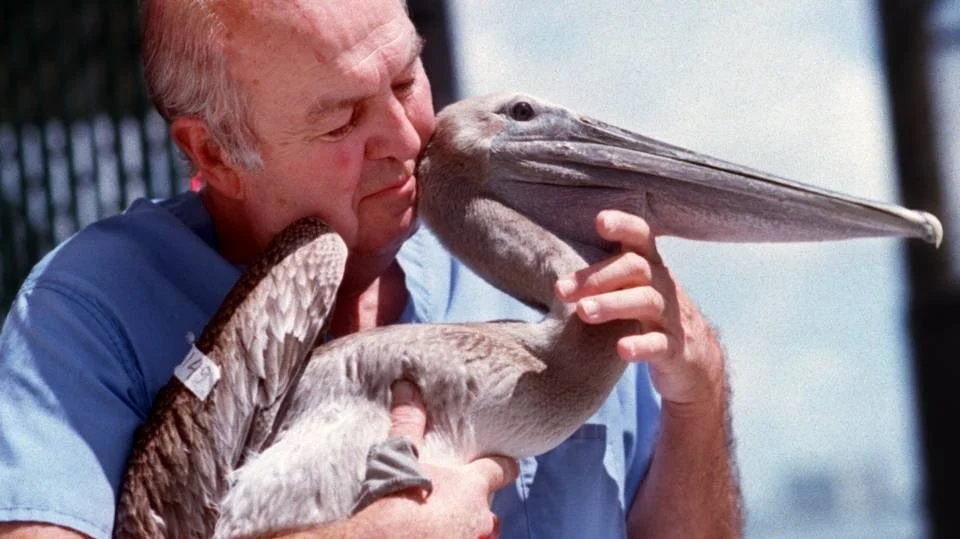
Pelican Harbor Seabird Station was founded in 1980 for the purpose of caring for injured brown pelicans and has grown into an internationally recognized center for seabird rehabilitation.

We are not a government agency. We are a non-profit 501(c)(3) charity and operate solely on donations. We seek to conserve our area’s wildlife through rehabilitation, education and research.
Pelican Harbor Seabird Station is a wildlife rehabilitation facility. Our goal is to heal animals impacted by mankind and return them to their ecosystem. We specialize in brown pelicans and serve the greater Miami metropolitan area.
The Seabird Station began in 1980 with a tool shed and a single aviary. We have grown steadily since then. While we’re still famous for our work with brown pelicans, we have expanded our work to assist all native wildlife. Our facility receives thousands of sick, injured, orphaned and displaced wild animals each year. They range in size from warblers to tortoises.
In recent years we have grown to accept most native wildlife, with an emphasis on native birds. 2,209 patients spanning more than 131 native species were treated in 2023. Since our inception, over 43,000 patients and 300 species of birds have been treated. We provide a variety of services to our community.

Beyond our wildlife rehabilitation program, we help our local communities in other ways. We provide educational programming to local schools. We assist local municipalities and residents with a humane resolution of human-wildlife conflicts. We also pair with other organizations and government agencies on research efforts that seek to protect wildlife.
OUR HISTORY

Harry & Darlene Kelton with an early PHSS sign
Pelican Harbor Marina and nearby Bird Key have long been magnets for seabirds and shorebirds in Miami. Back in 1980, Harry and Darlene Kelton moved their houseboat to the Marina and saw an injured brown pelican.
Despite having no experience in animal care, they removed a fishhook from his mouth and nursed him back to health. So was born the Pelican Harbor Seabird Station.
Over time, others joined the cause to rehabilitate then-endangered brown pelicans: veterinarian Jim McCoy volunteered his time, the Miami Dade Parks Department provided land and, in 1992, Miami Dade County built the current station.
In 1993, Wendy Fox moved to Miami and began volunteering, bringing her son Brian along. By 2001, she had become Director and President of the Board, following Harry’s retirement and Darlene’s passing. The mandate and reach of the center grew, along with its operations. Wendy became President of the National Wildlife Rehabilitators Association, and at the time Harry also served as the Vice President of the International Wildlife Rehabilitation Council.
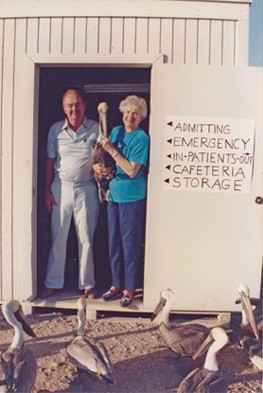
Harry & Darlene Kelton are posing in the first Seabird Station, a large tool shed.
The Station had developed into a leader in brown pelican care, with Wendy training rehabilitators in the U.S. Virgin Islands, and the Station staff rehabilitating pelicans contaminated in the Deepwater Horizon oil spill.
A dedicated advocate for pelicans and all wildlife was lost in August 2011 when Wendy succumbed to cancer. As a testament to her love and concern for the Seabird Station and its mission when Wendy felt she could no longer fulfill her duties, she stepped down only after ensuring her son Brian would move back home and continue the work as executive director.
Under the leadership of Brian Fox, the Station maintained its focus on seabirds and shorebirds, primarily the brown pelican. He focused on increasing the quality of animal care and upgrading the facilities. With this in mind, he hired Jessica Cline, an experienced wildlife rehabilitator with a degree in biology to run the clinic. When Brian left to pursue other interests Jessica was appointed Interim Director. She continued to emphasize animal care, and instituted an in-house training program for staff, interns, and volunteers.
In the fall of 2014, Christopher Boykin joined the team as Executive Director. During his time he doubled the operating budget and expanded staff to accommodate increased patient loads. He also devoted efforts to increasing our community presence and expanding our donor network alongside then Assistant Director, Chloe Chelz, prior to stepping down in December 2023.
In 2024, Chloe Chelz was sworn in as Executive Director, and now leads the organization through its most exciting period of change in decades. In November 2024, Pelican Harbor Seabird Station broke ground its new Wildlife Hospital and Education Center. This new property, located along the Little River within minutes of the original location, is 14 times larger, and will feature more ambassador and rehabilitation pens, an Education Center, natural history exhibits, and a manatee viewing location.

There is still significant work to be done in the future: to reduce further seabird injuries caused by human activity, to expand education and conservation efforts for urban wildlife in South Florida, and to raise funds to secure the future of Miami’s native wildlife.