Preserving our Urban Paradise

Written by: Samantha Martinez, Environmental Educator

Barn Owl 22-842

In Miami, we are constantly growing and upgrading our infrastructure as new homes, highways, and businesses are built daily to expand our urban paradise. This, on occasion, can come at the cost of the homes of our wild neighbors. This is what may have happened to patient 21-842, a juvenile Barn Owl. This owl was found on a construction site after a tree, believed to be harboring the bird's nest, was cut down. Unable to fly and with dry blood covering his feet and nares, the owl was brought into Pelican Harbor Seabird Station.  We see this all too often at PHSS, especially during the spring months as people prepare for hurricane season.

Once in care, our rehabbers noticed swelling and lameness in this patient's right leg, with x-rays confirming a midshaft fracture to the tarsometatarsus bone. The rehab team thoroughly cleaned the area and added a half splint with firm cast material to immobilize the young owl's leg during the healing process. This, coupled with supportive care, antibiotics, and pain medication, has this bird on the road to recovery. However, there is still a long way to go, and not all displaced fledglings are so lucky.
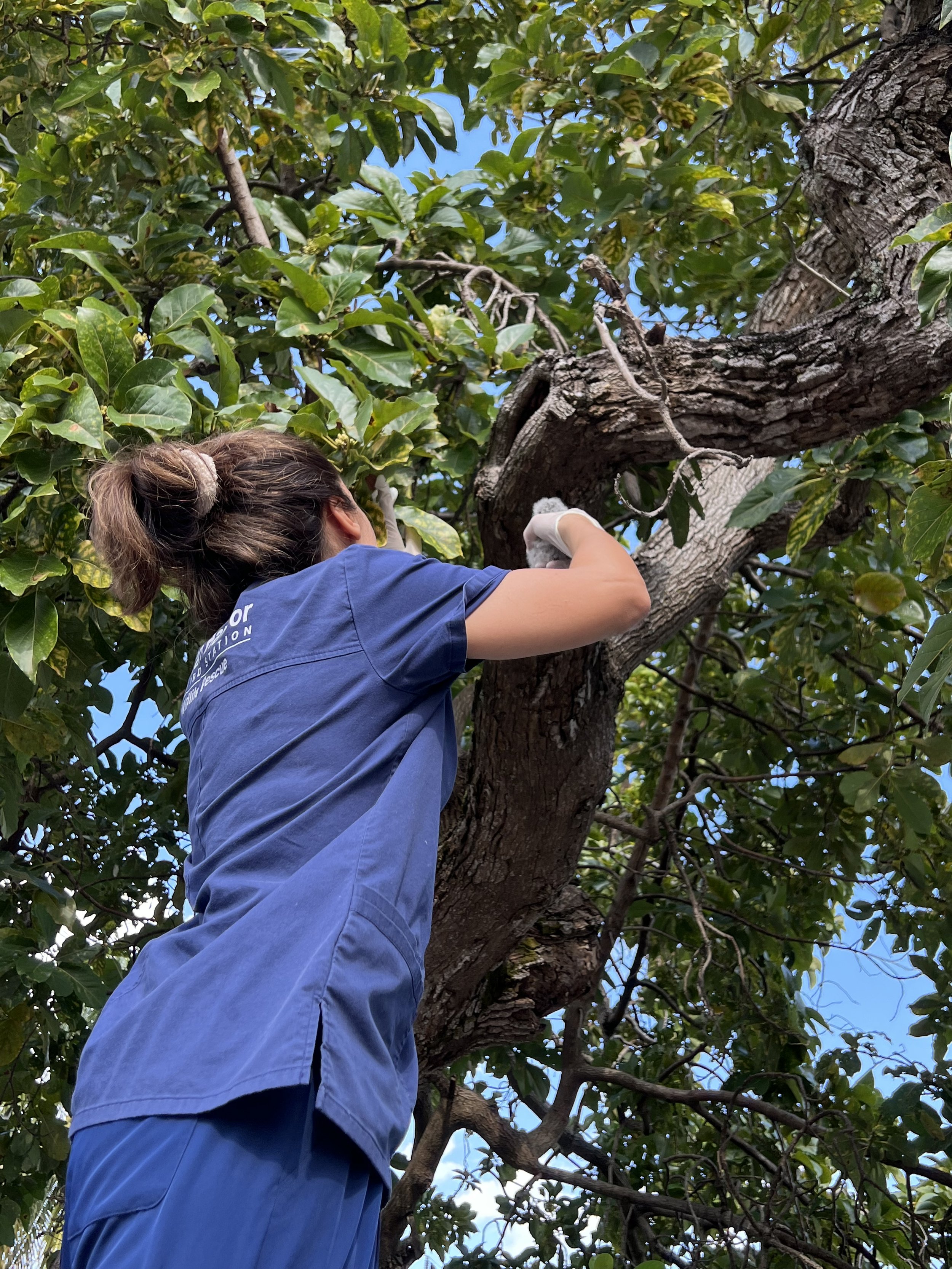
Wildlife rehabber, Carolina, renesting a displaced Eastern Screech Owl nestling.

We understand that tree trimming and construction are often unavoidable facts of urban life, especially considering the need to prevent damage from hurricanes. However, we recommend some simple ways to help avoid harm to wildlife when starting a building project or trimming trees for whatever reason. Such methods include doing an initial survey of the area to see if any wildlife is inhabiting it. You can check for droppings, nests, or nesting materials, and listen for animals in the immediate vicinity. If you find that an animal is nesting in a tree you plan to trim, we recommend leaving all branches supporting the nest as well as those protecting it from weather and predators until all babies have left the nest. Most birds will be done nesting by mid-July. Following these simple steps will help save countless nesting birds and mammals and prevent you from receiving costly fines associated with disturbing a federally protected nest. To learn more about protecting wildlife while trimming trees, feel free to reach out to us for a copy of our Animal Safety for Arborist sheet. 

Saved by the Power of Light

Written by: Milena Orjuela, PHSS Intern

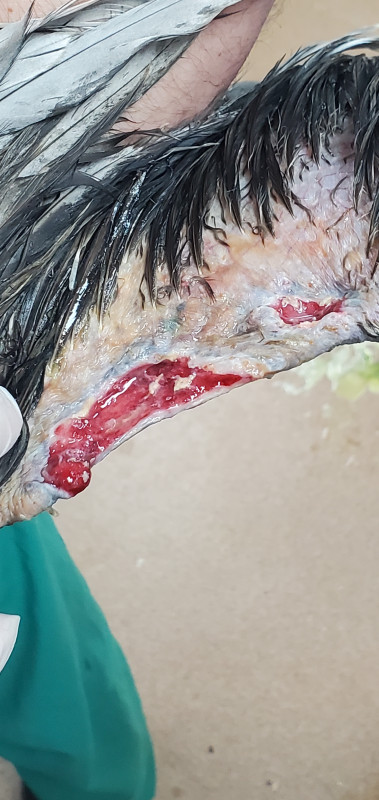
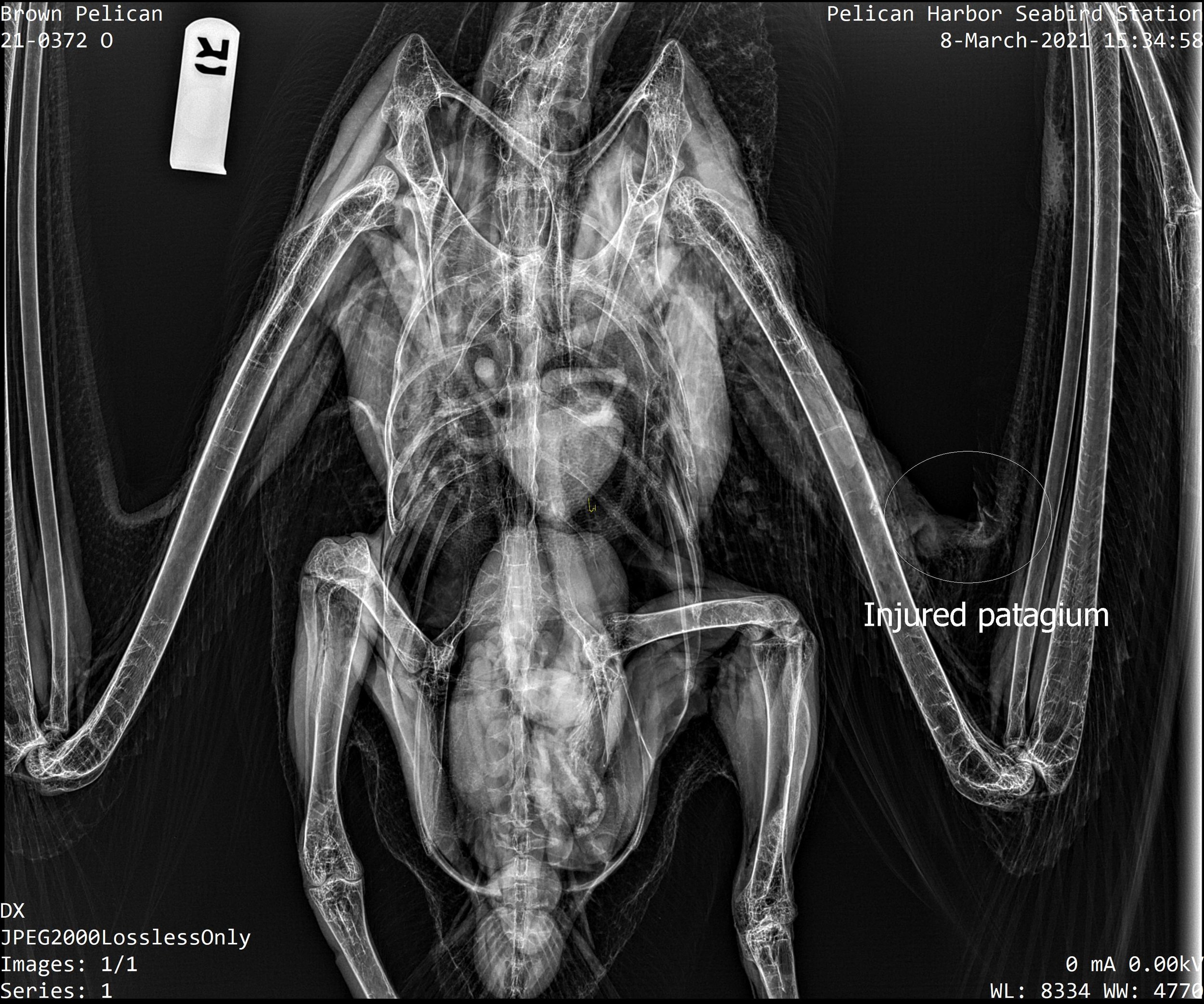
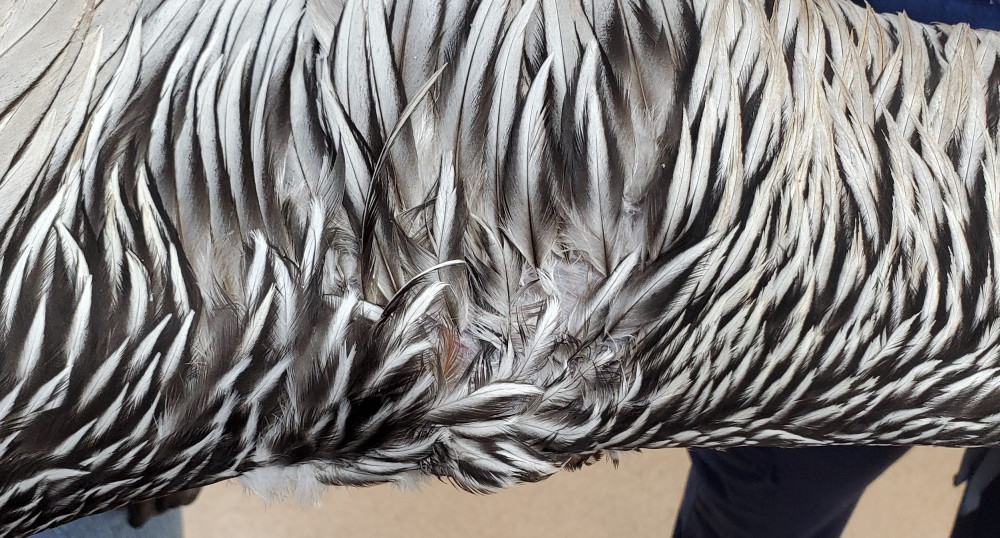
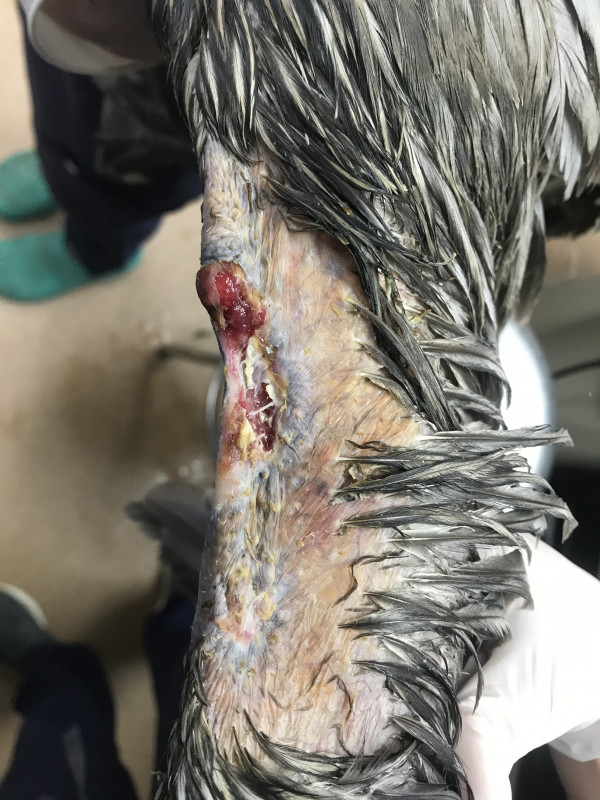
Pelicans are meant to glide through the sky, dipping in and out of the ocean on a sunny day, and leaving your jaw dropped if they happen to catch a fish near you. That is what I thought until Pelican 21-372 came to our clinic. After taking a quick glance at the bird, I secretly thought to myself, “you are doomed.” Pelican 21-372 first came into our care after being spotted with monofilament entangling its left wing, upper body, and head. It was obvious upon examination that the bird was also malnourished and dehydrated. Our staff noted multiple open wounds in its face, abdomen, legs, and a large malodorous wound on the left patagium. A malodorous wound is characterized by necrotic tissue, or bacterial colonization, often containing both anaerobes and aerobes and is a major obstruction to healing. The patagium, the site of the open wound, is a web of elastic fibers that extends from the head to the wrist and has the very important job of assisting birds in gliding and flying. Such a grave injury on a crucial part of the bird’s wing is why Pelican 21-372’s chances were initially seen as quite poor. 

A set of X-rays determined that there were no fractures or broken bones to deal with in addition to the obvious open wounds. Subcutaneous fluids were given to aid with dehydration, antibiotics, pain killers, anti-inflammatories, and Vitamin E were administered to help the healing process, and the pelican was given one dose of anti-parasitic medication. All wounds were thoroughly cleansed and special care was given to the left wing. All dead tissue was removed from the patagium, a topical antibiotic ointment was administered, and the wing was wrapped. Though the physical treatments and medications certainly had a very beneficial role in healing the bird, the laser therapy Pelican 21-372 received is what really allowed such a miraculous recovery. 

First developed in 1960, laser therapy can heal major injuries at a cellular level by stimulating a process called photobiomodulation. Photobiomodulation or PBM works as photons enter the tissue and interact with the Cytochrome C complex inside cellular mitochondria. The absorption of light by the Cytochrome C oxidase helps the cells to increase the production of Adenosine Triphosphate (ATP), which is the intracellular energy transfer molecule. This helps to restore the oxidative process which allows the cells to resume normal functions, preventing cell death and associated complications. Additionally, laser therapy can stimulate the production of free nitric oxide (NO) and reactive oxygen species (ROS), which is a powerful vasodilator, and an important signaling molecule, respectively. Together, these chemical compounds and molecules can promote faster signaling, decreased edema, reduced inflammation, and a faster healing process. Looking at the body as a whole, PBM causes a beneficial systemic effect by expanding cellular proliferation, improving microcirculation in the tissue, and inducing growth factor production. Because the results of photobiomodulation are very dose-dependent, the strength of the therapy is selected according to the patient’s clinical presentation. High frequency (above 500hz) penetrates shallow tissue which will inhibit pain, swelling, and nerve damage. In contrast, lower frequency (under 500Hz) targets deeper tissue which speeds the healing process and is specifically used when reproduction of new cells is required.

In this case, our beloved Pelican 21-372 received low-frequency laser therapy, during which 50Hz were administered throughout the treatment. As hoped, the laser therapy significantly improved wound proliferation with comfort and ease. Treatment times should be reduced as healing begins and the injury begins to show improvement. For example, if a 3” incision takes 3 minutes to treat, then a 2” one would take 2 minutes. Any additional photons delivered over the required dose will then become inhibitory, creating a plateau in the healing process. Physical treatments, medication, and the impressive work of the laser therapy made the wound healing so significant that pelican 21-372 was described as a “healing machine” by one of our staff members. Within 16 days of admission, the pelican was spending time outside in the sunny weather, and even flying around the enclosure. It was then that the final round of antibiotics and pain killers were administered, to allow for a few more days of active healing. Although the wound was healed, the Brown pelican needed more time to regain full extension of the wing. Without full extension of the patagium, the bird would not be able to fly. To help the Pelican on the path to regain full extension and fly our staff would do physical therapy on the patient as well as allow the patient to do its own physical therapy by being outside. After nearly four months of this arduous job, all of our efforts yielded great results and Pelican 21-372 was able to be released. Next time you are at the beach and see a pelican flying by, remember that wildlife is precious and take pride in knowing they will be protected and cared for!

The Wooden Fence of Terror

Written by: Kaisha Chaves Solomon, PHSS intern, and Operation Rescue and Release volunteer

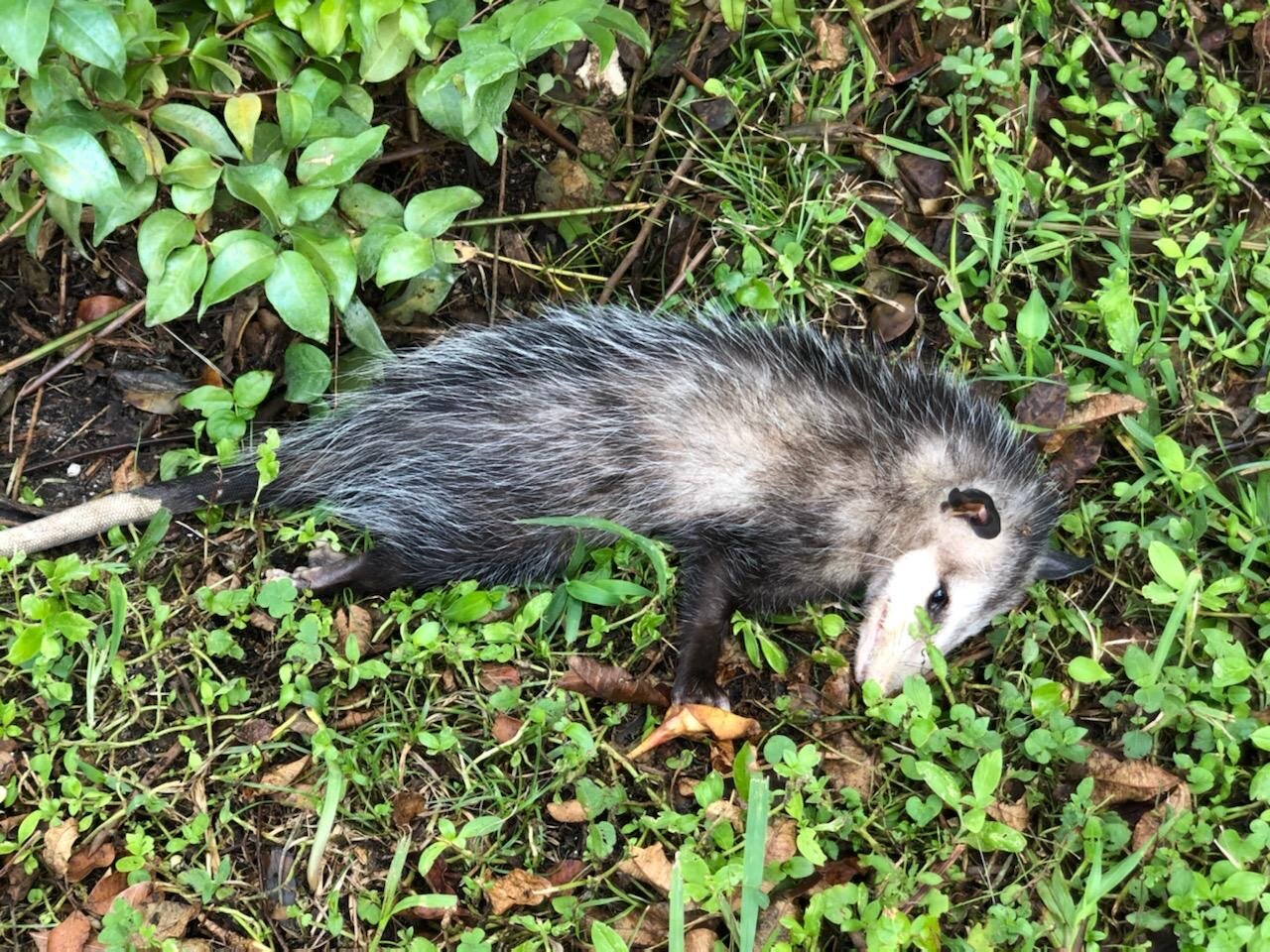
The morning of September 4th, Operation Rescue and Release notified the group chat of an injured Virginia opossum located in coral gables. I was scheduled for my internship that day; therefore, I informed Pelican Harbor Seabird Station I'd be available to perform the rescue and transport it to the station. On arrival, I contacted the good samaritan that reported the injured Opossum, patient 1612. As she guided me to the backyard, she explained she found patient 1612 hanging by its arm caught in the crack of a wooden fence. How long the opossum found itself dangling from the wall is unknown. The finder and her husband freed the Virginia opossum from the barricade, but it was evident damage was done on the front left arm. Patient 1612 was kept in the corner of the fence and offered a mixture of fruits, yogurt, and egg until help arrived; although this was a healthy diet, providing food to an injured animal before the rescue isn't recommended. Onsite, patient 1612 seemed very stressed, so I used a towel to cover its head and proper gloves to carefully transport it into a box I had prepared with a towel inside. From there on, it was a quiet ride to the station.

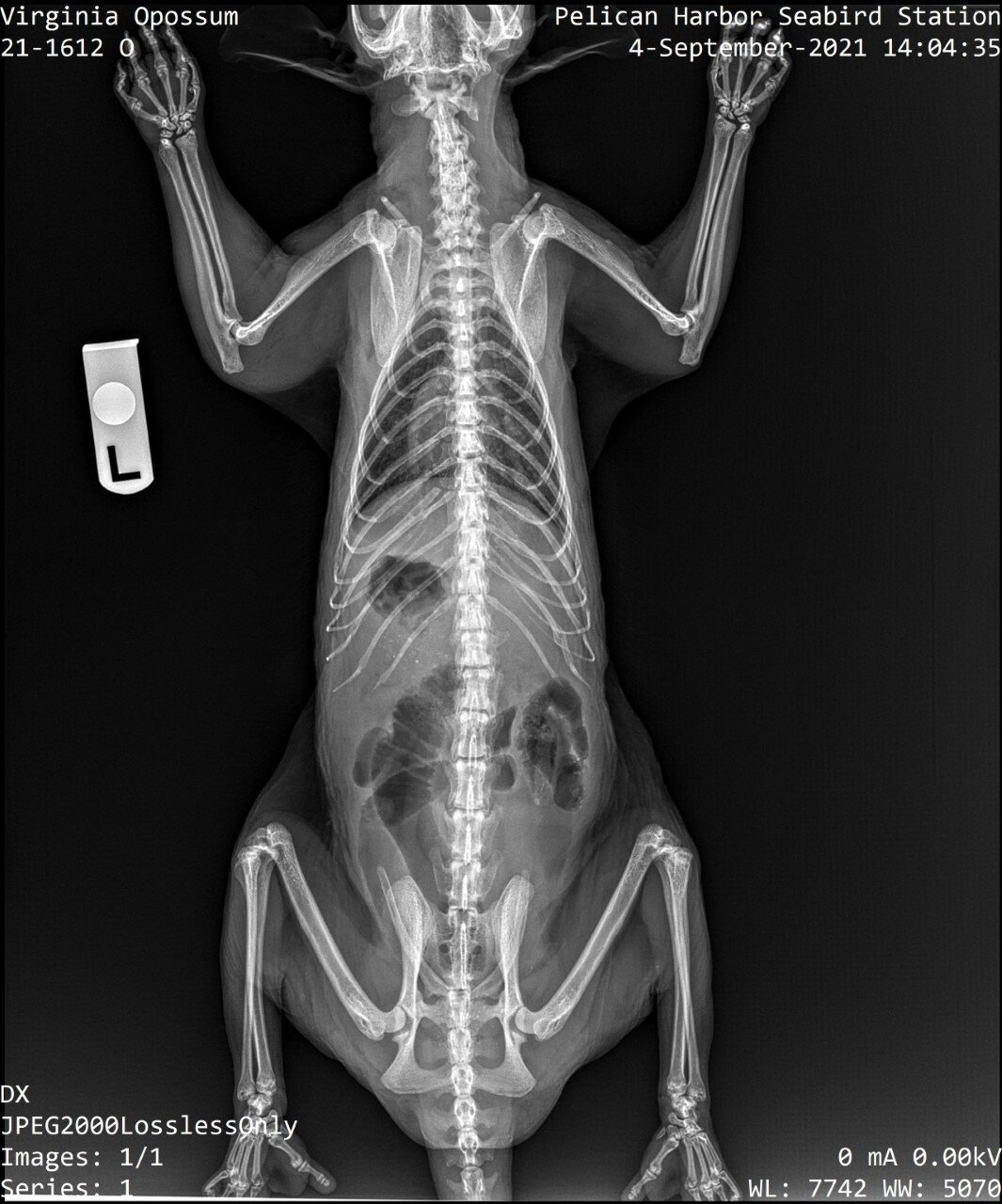
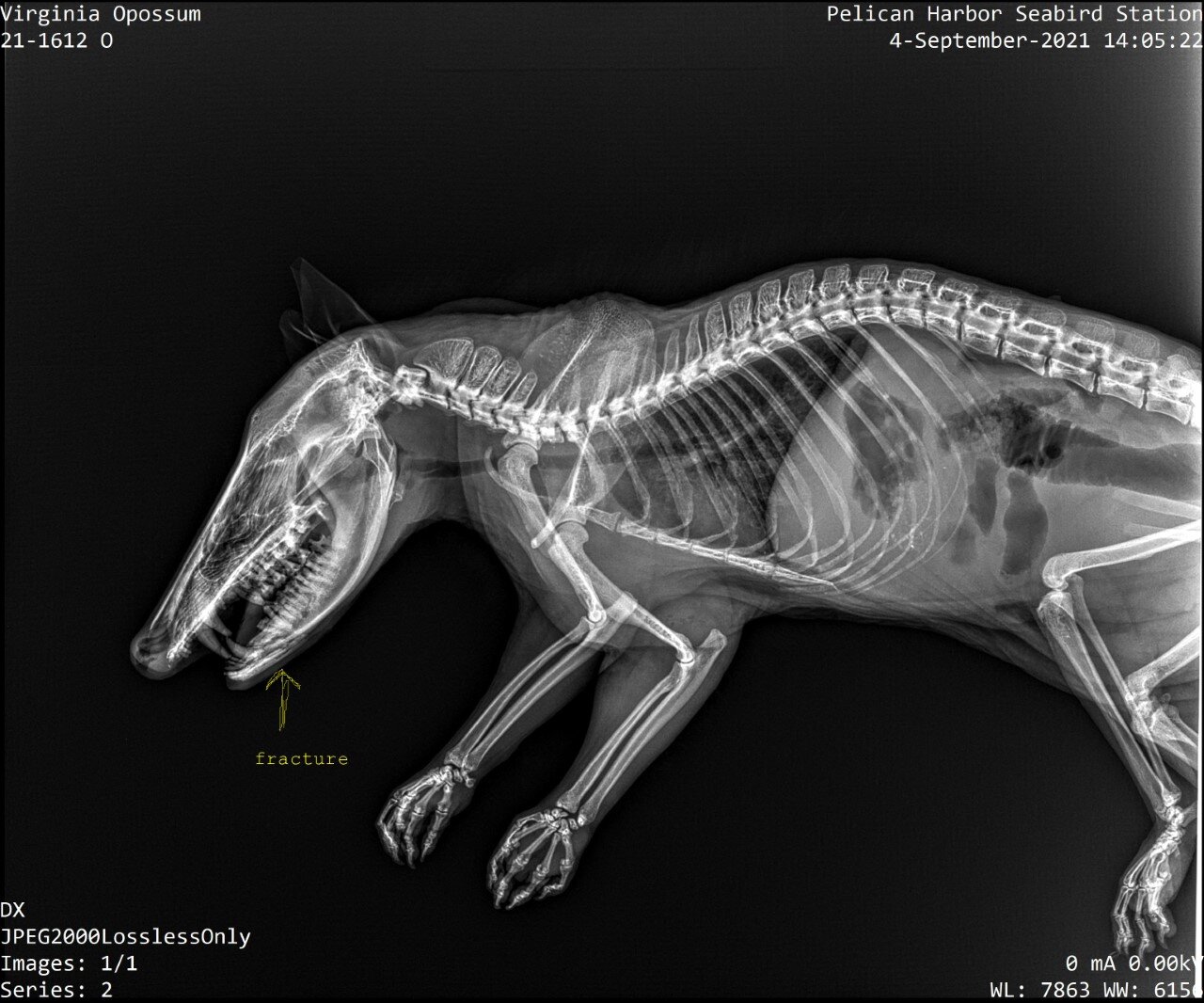
When arriving at the clinic, Yaritza, one of pelican harbor seabird station's most talented and highly experienced wildlife rehabilitators, performed an intake exam on patient 1612. She concluded an x-ray was necessary to determine whether a fracture was present in the left front arm. I assisted with placing patient 1612, a now confirmed adult female, into a box to be weighed on the scale. She had a total weight of 2,545 grams, and staff indicated that I pull 90cc of subcutaneous fluids that would be given to her via subcutaneous fluid administration, an injection directly under the skin. The patient was placed under anesthesia to get a complete x-ray of her body. There was no indication of a fracture in her left arm; however, Yaritza discovered a fracture in the lower jaw on the left side. I transferred patient1612 from the x-ray table to the exam table. I assisted Yaritza by holding patient 1612's head and mouth open while she flushed and cleansed the bone exposure. Yaritza thought quickly on her feet and proceeded to sow three stitches in the lower jaw as a temporary solution to hold everything in place. Patient 1612 was given the following medications via intramuscular injection: Meloxicam, an anti-inflammatory drug; Buprenorphine, a pain reliever; Ivermectin, a medicine used to treat parasites; and finally, Excede, an antibiotic. Patient 1612 also received laser therapy for her swollen left arm to help reduce the inflammation and minimize the pain.

Dr. Schneider performed surgery a few days after intake to remove the underlying infectious tissue from the wound on her front arm. The wound was so infected that we treated it as an open wound. We would clean the wound daily and replace the bandage with a new wet to dry bandage. Wet to dry bandages are used with infected wounds to draw out the infection. Along with daily bandage changes we would also cleanse the fracture site of the jaw to prevent infection. She also received laser therapy on both the rostral mandibular fracture and left front arm. Unfortunately, as the days went by, patient 1612 refused to eat overnight, causing her to lose weight drastically. There was significant tissue and nerve damage on the left front arm; therefore, staff concluded the front left limb would never function again. Patient 1612 would not be suitable for release with amputation. Therefore, euthanization was the most humane outcome for the patient. 

In conclusion, homeowners must keep in mind our furry and nocturnal neighbors and be up to date with the maintenance of their property. You never know whose life you may be saving with a simple fence repair.

Young Survivor

Written by: Maria Rakita, PHSS Intern

Image-1.jpg

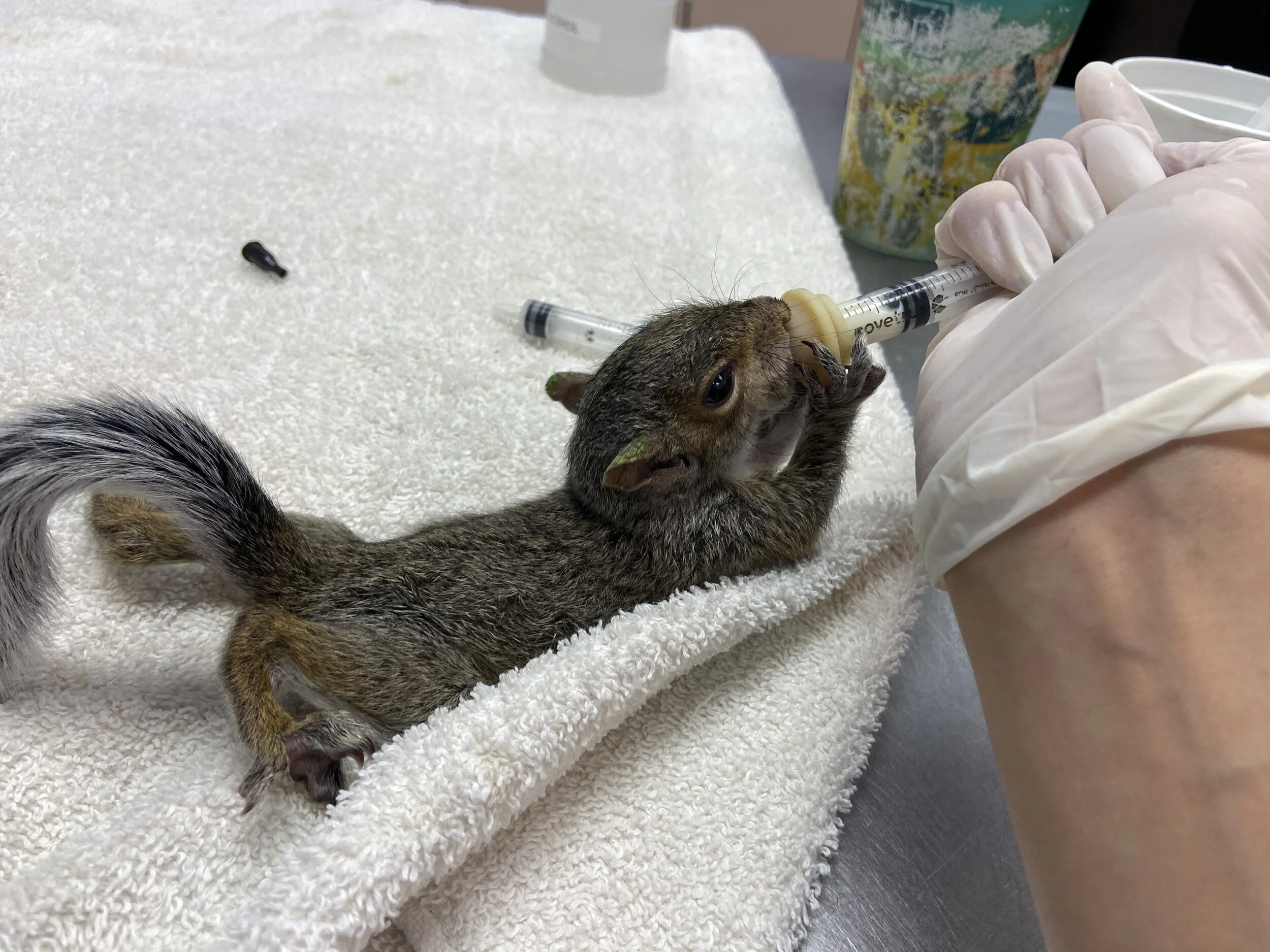
Patient 21-1465 was a baby Grey Squirrel that fought to survive by her strong will and with the help of Pelican Harbor Seabird Station. Patient 1465 had fallen from her nest when she was found by a local bystander. They attempted to renest her, but sadly the renesting was not successful and she had to be brought in eight hours later. During her intake examination, she was found to be cold to the touch, slightly dehydrated, timid, had dirt in her nose, and weighed 39 grams. Patient 1465 was in dire need of help, especially since she wasn’t able to be reunited with her mother.

    After her intake examination, she was given fluids subcutaneously and oral mammal electrolytes. Fluids that are given subcutaneously are similar to the fluids given to a person through an IV. It is meant to keep the patient hydrated under the skin, hence sub(under) cutaneous(skin). In order to give fluids subcutaneously, the fluids must be calculated based on their weight, then we add a small amount of vitamin B12 to the fluids. The fluids will build up and create a bubble under the skin which will slowly be absorbed by the body. The electrolytes that were given are meant to help rehydrate the baby squirrel. We have specific refeeding guidelines for new orphaned babies. They start with mammal electrolytes and are slowly introduced to a specialized formula. We do this because the formula we give them is not exactly the same milk they get from the mom, so introducing them to our formula too quickly can cause digestive issues and dehydration. The main plan was to keep an eye on her attitude, weight, and normal physical growth. We updated her feeding plan daily to determine how much milk she will be fed and when to introduce solid food. 

IMG_3727.jpeg

    Feeding squirrels can be extremely difficult because they are prone to aspiration, a condition in which fluid is inhaled into the lungs. When a squirrel becomes aspirated it can lead to more severe problems such as aspiration pneumonia which is why we encourage the public not to feed them. Unfortunately, patient 1465 became aspirated a couple of days after she was brought in because she was so hungry, she suckled too hard on the nipple. It could be deadly if not treated, however patient 1465 was in good hands and was given medicine right away. She got SDT (an antibiotic), as well as nebulization treatments to help clear out the lungs and prevent aspiration pneumonia. 

      Patient 1465 progressed very well with the treatments prescribed. As she grew in age, weight, and physical appearance she was able to eat what we call a soft squirrel diet and her formula. Soft squirrel diet is soft fruit and vegetables, as well as a specific biscuit that is soaked in water, so it is soft. Her weight increased and her fur looked healthy and soft. After a month of being fed formula and a soft diet, she was paired with other squirrels around her age to become wilder. We want a squirrel to become “wild” so it has a better chance of survival in the wild, so by pairing up squirrels they will be influenced by each other’s crazy and excited behavior. Since patient 1465 came in so quiet she was very calm, so pairing her up with other squirrels helped her become wilder. Patient 1465 and her group were fed a dry diet now which means they had fruit and vegetables, nuts, seeds, and a specific biscuit that is hard. Once squirrels’ teeth start to grow it is important to provide them with plenty of hard food that will prevent their teeth from overgrowing. 

   The next month, patient 1465 was moved outside into our aviaries to get used to the outdoor climate, socialize more, and hone her natural behaviors and skills.  It is important to contact your local wildlife center if you find an injured or orphaned wild animal. This way they can properly assist you in what to do. We understand that when people find animals they are just trying to help but what we want to express is that what you think may be helping the animal could actually be harming it further. Pelican Harbor Seabird Station’s clinic staff has the proper training and experience when it comes to treating and caring for South Florida's native wildlife. All in all, squirrel 21-1465 was released and is now living her best life in the wild.