Comfy Cardinal Condo for Three

Written by: Sarah Stinson-Hurwitz, Wildlife Intake Associate

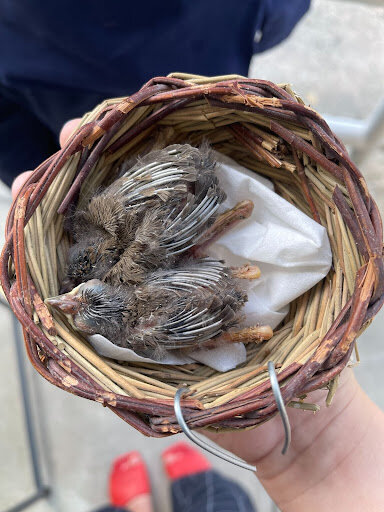
In late July, a worried citizen noticed a couple of cardinal nestlings in some tall grass. She took a look around to see if she saw the parents or a nest and she was able to locate the nest these babies fell from but their nest was too high for her to reach. She contained them and brought them into the station, and after a quick check-up, our wildlife rehabilitators determined they were perfectly healthy and renesting them would be the best next step!. 

cardinals.jpg

Do you know what to do when you find healthy uninjured nestlings on the ground? If the nest is out of reach and their parents are in the area (we recommend waiting a few hours to give the parents a chance to return if you don’t initially see them) a renest is the next step! Renesting is always our preferred choice for uninjured nestlings because momma birds are the best qualified caretakers for their babies. Renesting entails making a new home for babies (with a small box: cardboard, plastic strawberry carton or anything with drainage) and attaching to the tree they came from or one nearby or if possible placing babies back there original nest. https://www.pelicanharbor.org/baby-bird-help

cardinal.jpg

This is exactly what we did for our little cardinal friends. We snuggled them into a new studio apartment (with drainage of course) and sent them back with the finder to be placed securely in their home tree. The finder brought them back and ensured there was plenty of foliage overhead to protect them from the elements and that their new nest was stable. About 20 minutes after their placement, Momma cardinal heard her babies calls, settled into their new home, and provided a nice fresh breakfast.    

Finders are often worried momma bird will have trouble finding her babies after a renest, but just like humans, momma and baby alike have distinct calls (like our voices) and use them to recognize one another! If you ever find a wild animal that you think may need help, give us a call and we will guide you to determine the best course of action.

It Doesn't Stop with DDT

Written by: Samantha Martinez, Environmental Educator

“Out of sight, out of mind”. It is how we feel when we stuff our laundry under our beds and walk away from a stressful situation. However; it is not the philosophy we should take up when it comes to the effect of pesticides on the environment around us. Here at Pelican Harbor,  these effects often show up right at our doorstep, either in the form of malnourished nestlings or suspected pesticide poisoning cases in both young animals and adults. In these cases of animals brought in to us, we can begin treatment immediately to flush out these toxins from the animal’s system with fluids and vitamins. Once healed and released back into the wild, we have to hope that the patient doesn’t have another run-in with the number of ingestible poisons that can be found in urban areas such as Miami. 

You may remember or have heard of the disastrous effects that the pesticide DDT had on bird populations, most notably on the eggs of the Bald Eagle and the Brown Pelican, bringing both species to the brink of extinction. This synthetic chemical would not usually harm an adult bird outright but would affect the calcium metabolism in adult birds leading them to lay eggs that were not strong enough to withstand the weight of the parent incubating it. Though these effects were pertinent throughout the 1940s when DDT was first developed, it was not until 1972, two years after the establishment of the EPA and ten years after the release of multiple studies on the aftermath of the pesticide, that DDT was banned from use in the U.S. When we look at the commonly used pesticides today for both agriculture and personal gardening it is hard to say that we are not also ignoring the negative side effects of these pesticides on the wildlife around us. 

One of the most commonly used pesticides in home gardening in the US is Permethrin, a type of Pyrethroid. This is a family of synthetic pesticides meant to mimic and enhance the effect of the natural pesticides found in chrysanthemum flowers. This insecticide works by allowing sodium ions into the neural membrane of the victim in copious amounts, leading to depolarization and hyperactivity of the neuron. Eventually, after muscle spasm caused by this neural incapacitator, the victim will pass away. Pyrethroids have been thought to be an effective and safe insecticide due to their lack of toxicity when exposure is dermal or respiratory. Meaning, as long as you don’t mistake it for your margarita mix, it’s not going to have an obvious effect on your body. Most adult animals can process the chemical as long as it is not ingested orally or injected directly into the animal. However, this chemical can still be harmful to people. Pyrethroids are unaffected by secondary treatment in municipal waterways and therefore trace amounts can be found in most drinking water where the chemical is used. It has also been reported that young children with asthma or infants can have adverse effects from even minimal exposure. 

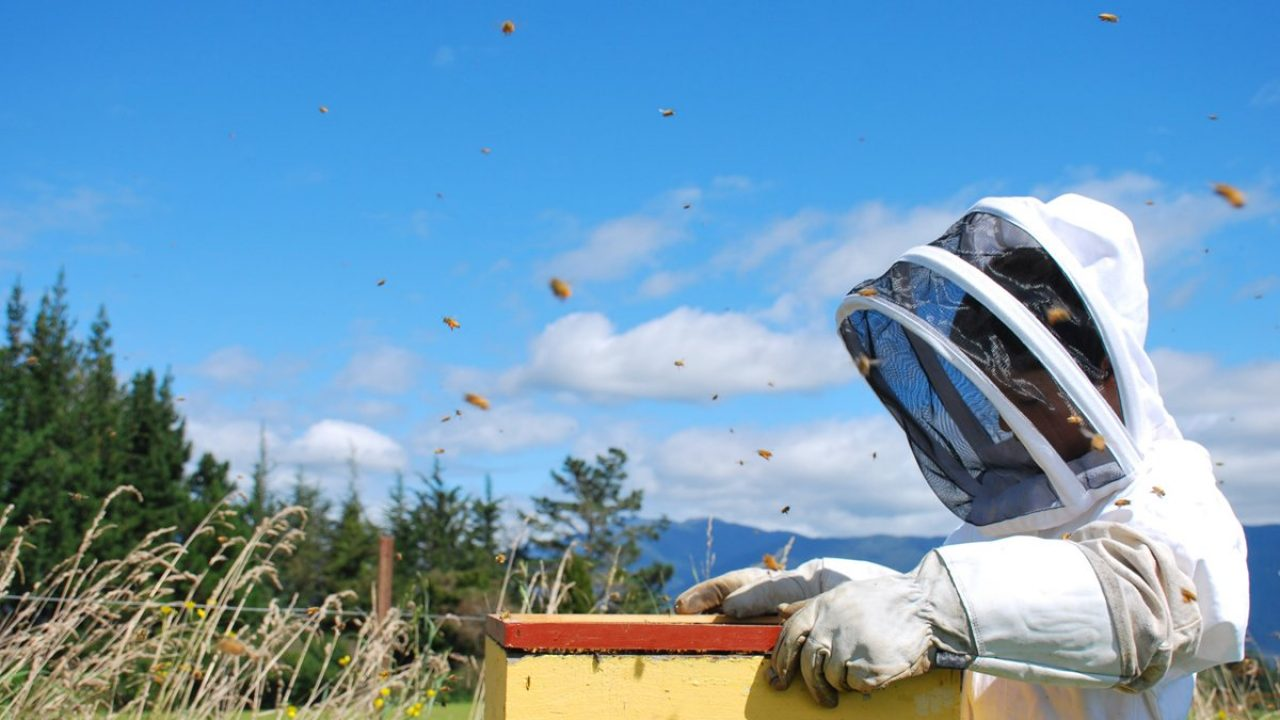
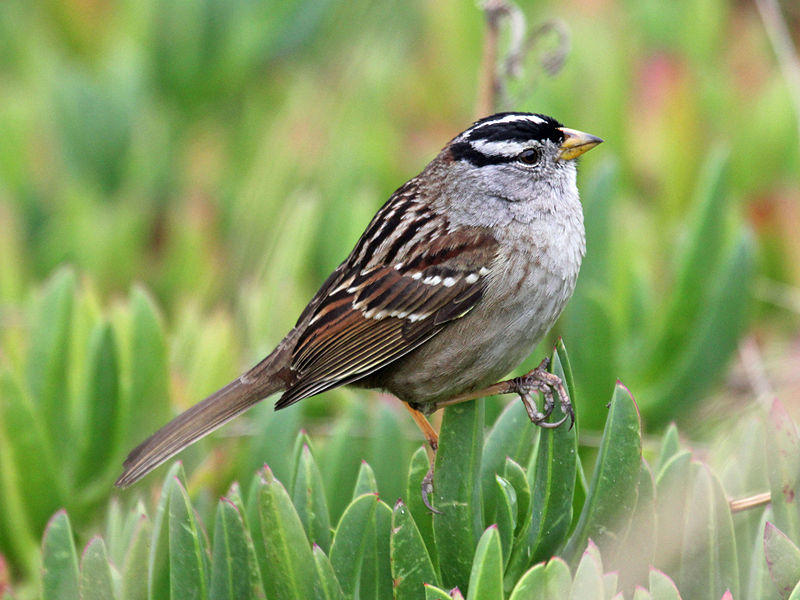
Though Pyrethroids are supposed to be a targeted insecticide it does still manage to have an effect on the animals other than the intended targets. For example, it has been shown time and time again that this toxin has a negative effect on our already dwindling bee population. The most susceptible classes of animals besides insects to this specific toxin are amphibians and plankton, which are all vital members of their food webs and most susceptible to chemical runoff in the water. Pyrethroids can also be very lethal to cats since their liver cannot process it as well as that of other mammals. Lastly, when it comes to our feathered friends, while this specific toxin is able to be expelled from their bodies quite quickly with minimal effect, it has been shown that the decrease in the insect population has led to more deaths in first-year insect-eating songbirds. 

It is not only our backyard pesticides that have a negative effect on the environment and we cannot solely or even heavily place blame on the individual gardener attempting to rid his home and yard of pests. Agricultural use of pesticides like neonicotinoids, a chemical closely related to nicotine, has continued to increase despite the overall decrease in pesticides themselves over the past two decades. Neonicotinoids, neonics for short, which are bred into the seeds of the crops, are used in 44% of farms in the U.S. This allows cheaper protection for crops such as soy, corn and canola but also has a severely adverse effect on the local environment since only 5% of the chemical is cultivated in the plant and the rest is lost to water runoff at the seed stage. Neonic then finds itself in local water sources, affecting animals from the bottom to the top of the food chain. 

Besides being aware of the crops we buy and the chemicals they may harbor, there is little we can do to affect the pesticide use of large agricultural based businesses. What we can do is take a look at our own yards and neighborhoods and choose to treat them with natural, less harmful pest preventions such as companion planting, using soaps and plant oils or introducing predators to your pests such as ladybugs. Whatever you choose to do for your home, it is important to keep in mind that when it comes to the dangers of pesticides, it did not stop with DDT. 

Sources:

Connected, Science, et al. “Organic Gardening and Alternatives to Pesticides.” Science Connected Magazine, 6 June 2021

“The Origins of EPA.” US EPA, 9 July 2021

“The Same Pesticides Linked to Bee Declines Might Also Threaten Birds.” Audubon, 14 May 2019

Wikipedia contributors. “Pyrethroid.” Wikipedia, 15 Apr. 2021

A Blue Jay's Last Chance

Written by: Daniela Hojda, PHSS Intern

Pelican Harbor sees Blue jay nestlings all the time, so when patient 21-1193 arrived at Pelican Harbor cold, depressed, and dehydrated, the rehab team knew exactly what to do to save it. It was immediately placed in an incubator to try to bring its body temperature up, and given several medications to help with each issue it presented with. Patient 1193 was given subcutaneous fluids with vitamin B complex, which are vital in helping resolve a patient’s dehydration. Often, vitamin B complex is added to the subcutaneous fluids to increase a patient’s appetite and to increase their metabolic and brain function. Also, one of the staff members heard crackles when she listened to the patient’s lungs, indicating that 1193 had aspirated. Aspiration is usually seen in baby birds when they are not brought into Pelican Harbor immediately after being found. Before bringing a baby bird to Pelican Harbor, people sometimes try to take care of and feed it. It is very easy for baby birds to aspirate food if not fed correctly, and this may lead to several health problems such as aspiration pneumonia, which in such tiny patients, is often fatal. Patient 1193 was prescribed sulfadiazine/trimethoprim (SDT), a broad spectrum antimicrobial medication, in order to help resolve the aspiration. After a few hours at Pelican Harbor, patient 1193 was much more alert and active. By the next day it seemed like a perfectly healthy nestling.

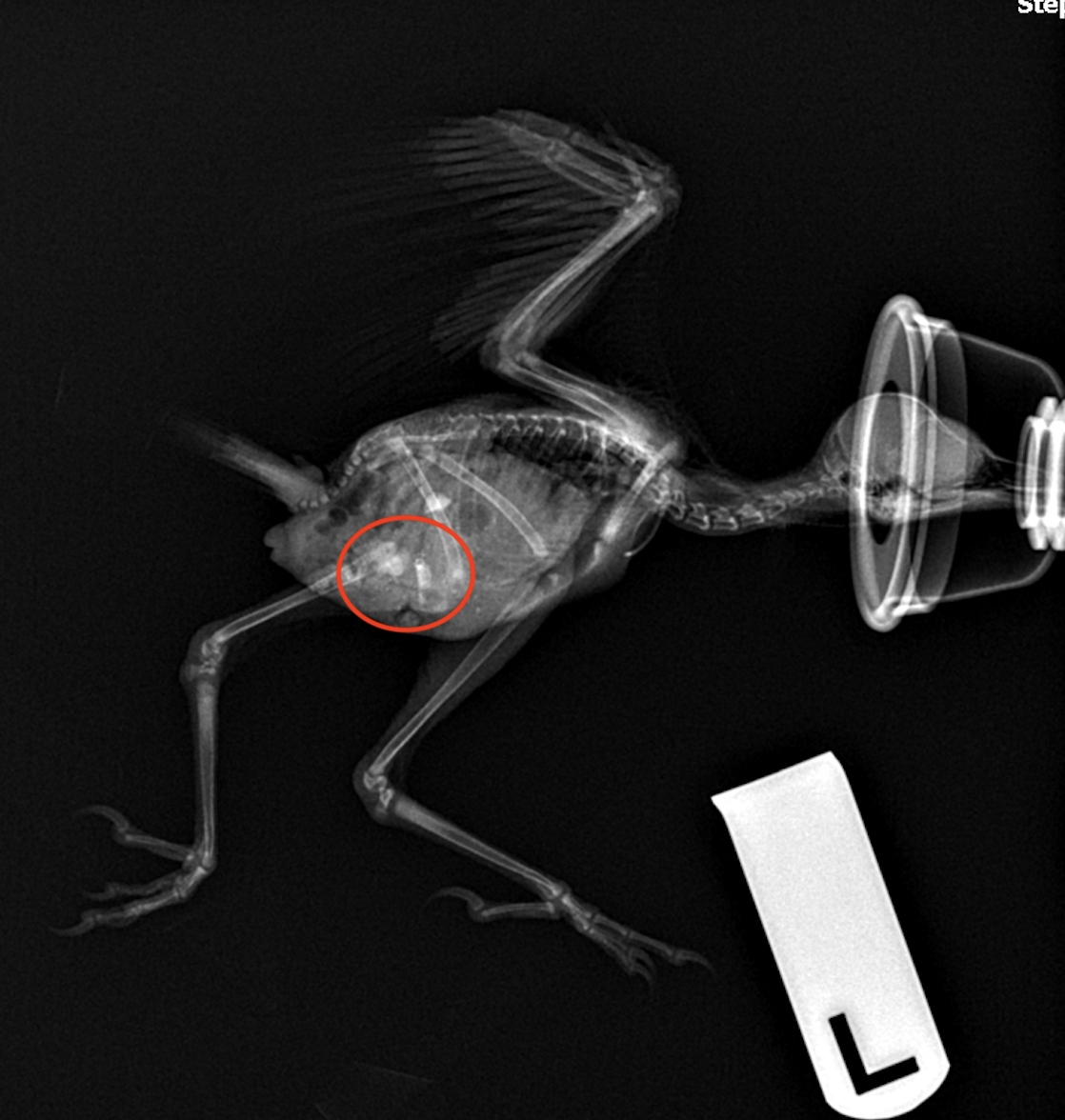
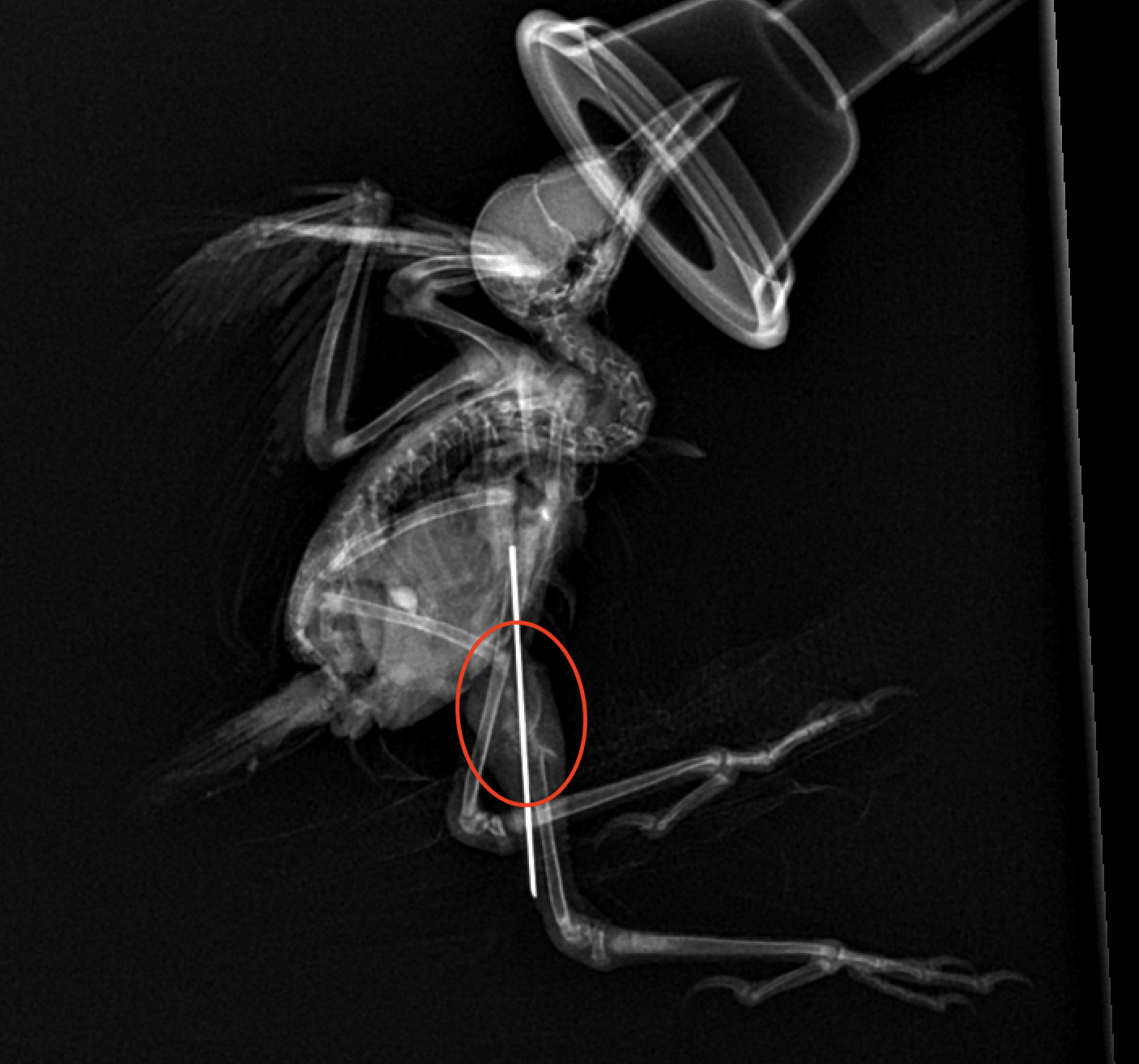
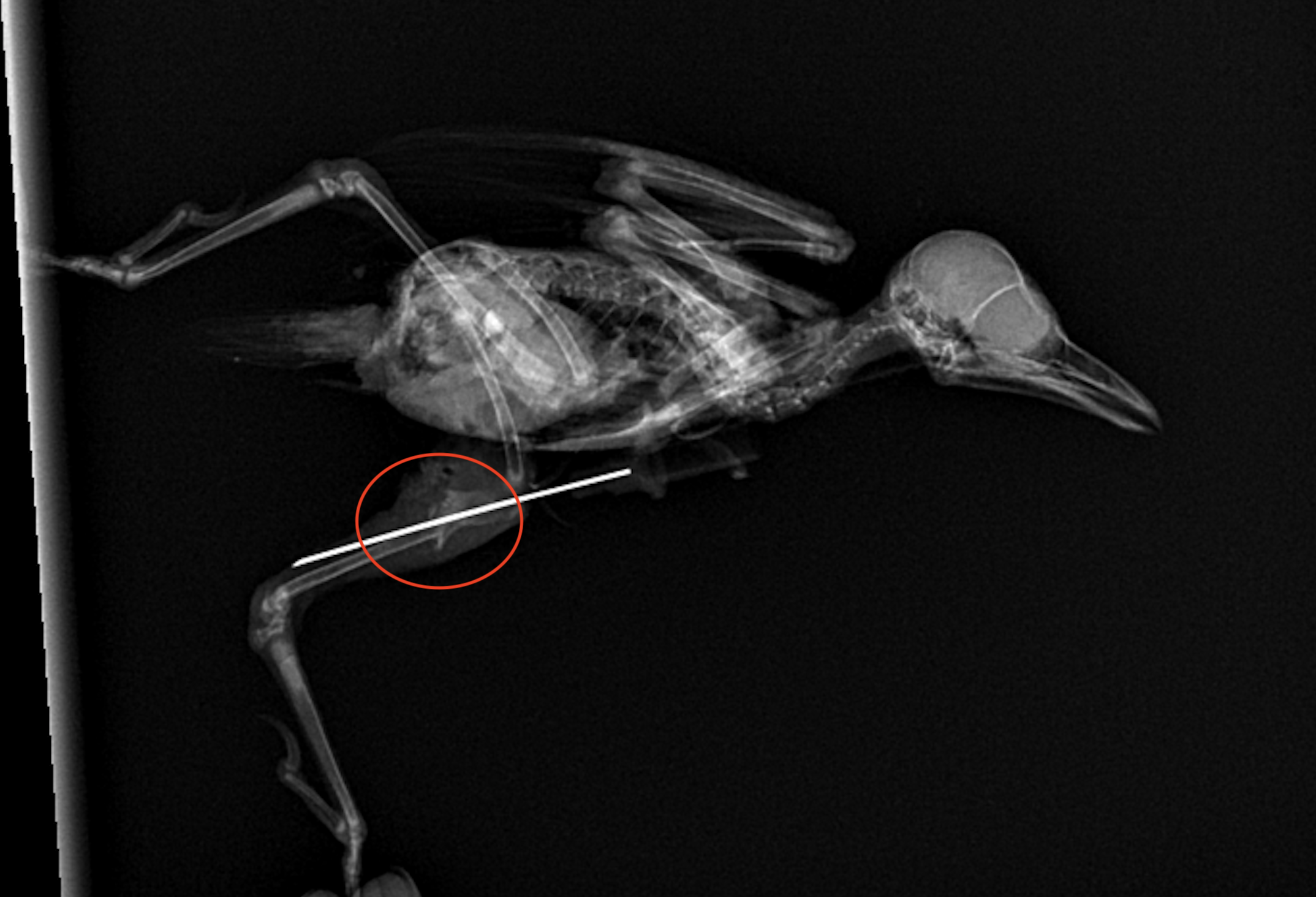
Unfortunately, two days after patient 1193 was brought to Pelican Harbor, the rehabilitation staff noticed that its right leg was resting in a concerning position, and the patient struggled to stand on it. The staff took radiographs to try and figure out why patient 1193 could not bear weight properly on its right leg. They found an old fracture of the right tibiotarsus, which had healed completely unaligned. Because the fracture was not aligned before healing, the patient’s leg was permanently bent in a way that made it unable to stand properly. This was a very worrying finding for patient 1193’s future, because an animal that is unable to use one of its legs cannot be released back into the wild. The decision was made to give patient 1193 a fighting chance by performing a surgery where the veterinarian will realign the old fracture so it can heal correctly. Once the bone is realigned, the veterinarian will then put a pin through the bone to hold the bone in place and keep the broken ends aligned. Although this surgery is extremely risky for such a small and young bird, this was patient 1193’s last chance at recovery. The veterinarian used X-rays taken before the surgery so she could get a good look at the bone that needed to be realigned. After the surgery, the staff took another set of X-rays to determine if the pin was in the right place for the bone to heal correctly. The placement of the pin looked promising, and if the patient survived the recovery period after anesthesia, the prognosis for patient 1193 was positive but still guarded. However, it’s important to remember that surgery on such a small and fragile animal is often extremely stressful which makes the recovery process extremely challenging.

Although everyone at Pelican Harbor had high hopes for patient 1193, unfortunately the stress of the surgery and anesthesia took a toll and the patient died a few hours after surgery. The staff at Pelican Harbor gave patient 1193 a fighting chance with this surgery; however, the surgery proved to be too stressful for the young Blue Jay. This type of surgery is one of the procedures used to align fractures in birds; however, the big challenge for this particular patient was how small and young it was, making it a much more risky surgery. If the patient had survived the surgery, the pin would have remained in the bone for a little over a week until a callus around the fracture formed. The patient would then be sedated again to remove the pin. Once the pin is removed we would start extensive physical therapy to ensure the patient has full use of the leg. If the patient maintained full use of the leg and no other issues arose then the patient would be a candidate for release. It’s important to remember that in wildlife medicine, rehabbers must consider that once an animal is released back into their habitat, that animal must be able to fend for themselves. An animal that has any health issues or anatomical flaw that reduces their fitness will most likely not survive in the wild.

Avian Pox: Transmission and Treatment in Wildlife Rehabilitation

Written by: Victoria Heijn, PHSS Intern

Avian pox is a viral disease that is believed to affect most bird species, with cases of pox reported in approximately 230 wild and domestic species. The disease can be highly contagious and may take time to show symptoms after a patient is infected, so it can pose a challenge to wildlife rehabilitators whenever an outbreak occurs in their facilities. Consequently, the clinic staff at PHSS takes precautions and exercises diligence in examining patients, tracking changes in health, and minimizing the spread if a case does arise. With over 100 patients currently receiving care at PHSS (many of them baby birds), it is important to understand how the pox virus spreads, its clinical presentations, and the measures that can be taken to mitigate the impact of the disease. 

Transmission mainly occurs when viral particles enter the body through an opening in the skin. In the wild, it is most commonly spread through the bites of insects such as mosquitoes, flies, mites, fleas, etc. The virus may also be contracted through contact with an infected animal or a contaminated surface such as bird feeders and birdbaths. In a wildlife rehabilitation center, this may include branches or perches, nests, food and water bowls, and toys. The virus may also be transmitted through aerosolized particles. 

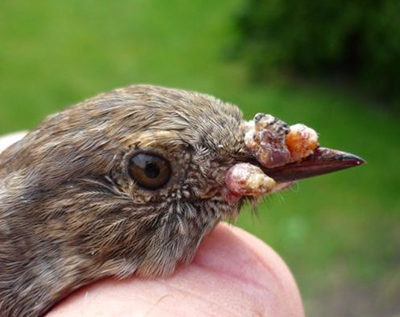
The most common clinical presentation seen is known as the dry or cutaneous form, and it consists of the appearance of wart-like lesions on featherless areas of the body, including around the beak, eyelids, legs, and feet. In this form, pox develops slowly after birds become infected, and lesions usually persist for one to four weeks. Birds usually recover from this, and their lesions may heal with some scarring. However, in some cases, the lesions may cause permanent damage such as blindness, malformations of the beak, or loss of digits and feet, depending on the affected area. There is also a risk of mortality due to secondary bacterial infections, and young birds are more susceptible to having lasting defects than adults. In wet pox, or the diphtheritic form, mucus membranes may be affected, and the disease may spread to the respiratory tract. In the least common septicemic form (usually seen in canaries), the virus can lead to depression, anorexia, and death. 

Although there is no definitive cure for pox, supportive care is usually given. This may include topical care of the lesions, usually with an iodine solution. Antibacterial treatment may also be incorporated to fight off bacterial infections. Patients’ diets may be supplemented with vitamins and fluids to promote the healing of their lesions and boost their immune systems. Once patients show signs of pox, they are isolated, and other susceptible patients are closely monitored for similar signs. In addition to placing patients on pox watch, sanitation of any bedding, perches, bowls, toys, and other items shared among patients is vital in preventing the spread of the virus. Sanitation methods include scrubbing with soap, soaking in a disinfecting solution, and decontaminating with a diluted bleach solution. By keeping a close watch on patients and maintaining high standards of sanitation at the clinic, PHSS staff work to support patients that are infected, minimize the spread to others, and prepare patients to be released back into their natural habitats.