Intern Blogs

Avian Pox: Transmission and Treatment in Wildlife Rehabilitation

Written by: Victoria Heijn, PHSS Intern

Avian pox is a viral disease that is believed to affect most bird species, with cases of pox reported in approximately 230 wild and domestic species. The disease can be highly contagious and may take time to show symptoms after a patient is infected, so it can pose a challenge to wildlife rehabilitators whenever an outbreak occurs in their facilities. Consequently, the clinic staff at PHSS takes precautions and exercises diligence in examining patients, tracking changes in health, and minimizing the spread if a case does arise. With over 100 patients currently receiving care at PHSS (many of them baby birds), it is important to understand how the pox virus spreads, its clinical presentations, and the measures that can be taken to mitigate the impact of the disease. 

Transmission mainly occurs when viral particles enter the body through an opening in the skin. In the wild, it is most commonly spread through the bites of insects such as mosquitoes, flies, mites, fleas, etc. The virus may also be contracted through contact with an infected animal or a contaminated surface such as bird feeders and birdbaths. In a wildlife rehabilitation center, this may include branches or perches, nests, food and water bowls, and toys. The virus may also be transmitted through aerosolized particles. 

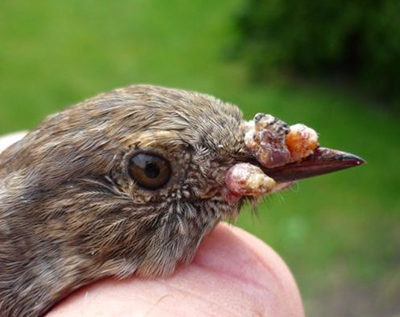
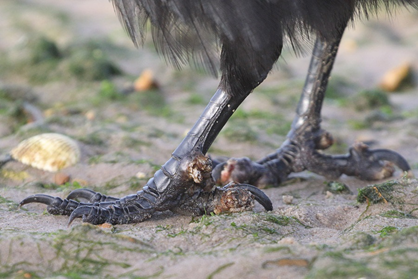
The most common clinical presentation seen is known as the dry or cutaneous form, and it consists of the appearance of wart-like lesions on featherless areas of the body, including around the beak, eyelids, legs, and feet. In this form, pox develops slowly after birds become infected, and lesions usually persist for one to four weeks. Birds usually recover from this, and their lesions may heal with some scarring. However, in some cases, the lesions may cause permanent damage such as blindness, malformations of the beak, or loss of digits and feet, depending on the affected area. There is also a risk of mortality due to secondary bacterial infections, and young birds are more susceptible to having lasting defects than adults. In wet pox, or the diphtheritic form, mucus membranes may be affected, and the disease may spread to the respiratory tract. In the least common septicemic form (usually seen in canaries), the virus can lead to depression, anorexia, and death. 

Although there is no definitive cure for pox, supportive care is usually given. This may include topical care of the lesions, usually with an iodine solution. Antibacterial treatment may also be incorporated to fight off bacterial infections. Patients’ diets may be supplemented with vitamins and fluids to promote the healing of their lesions and boost their immune systems. Once patients show signs of pox, they are isolated, and other susceptible patients are closely monitored for similar signs. In addition to placing patients on pox watch, sanitation of any bedding, perches, bowls, toys, and other items shared among patients is vital in preventing the spread of the virus. Sanitation methods include scrubbing with soap, soaking in a disinfecting solution, and decontaminating with a diluted bleach solution. By keeping a close watch on patients and maintaining high standards of sanitation at the clinic, PHSS staff work to support patients that are infected, minimize the spread to others, and prepare patients to be released back into their natural habitats.
Go Fish

Written by: Nicole Perez, PHSS Intern

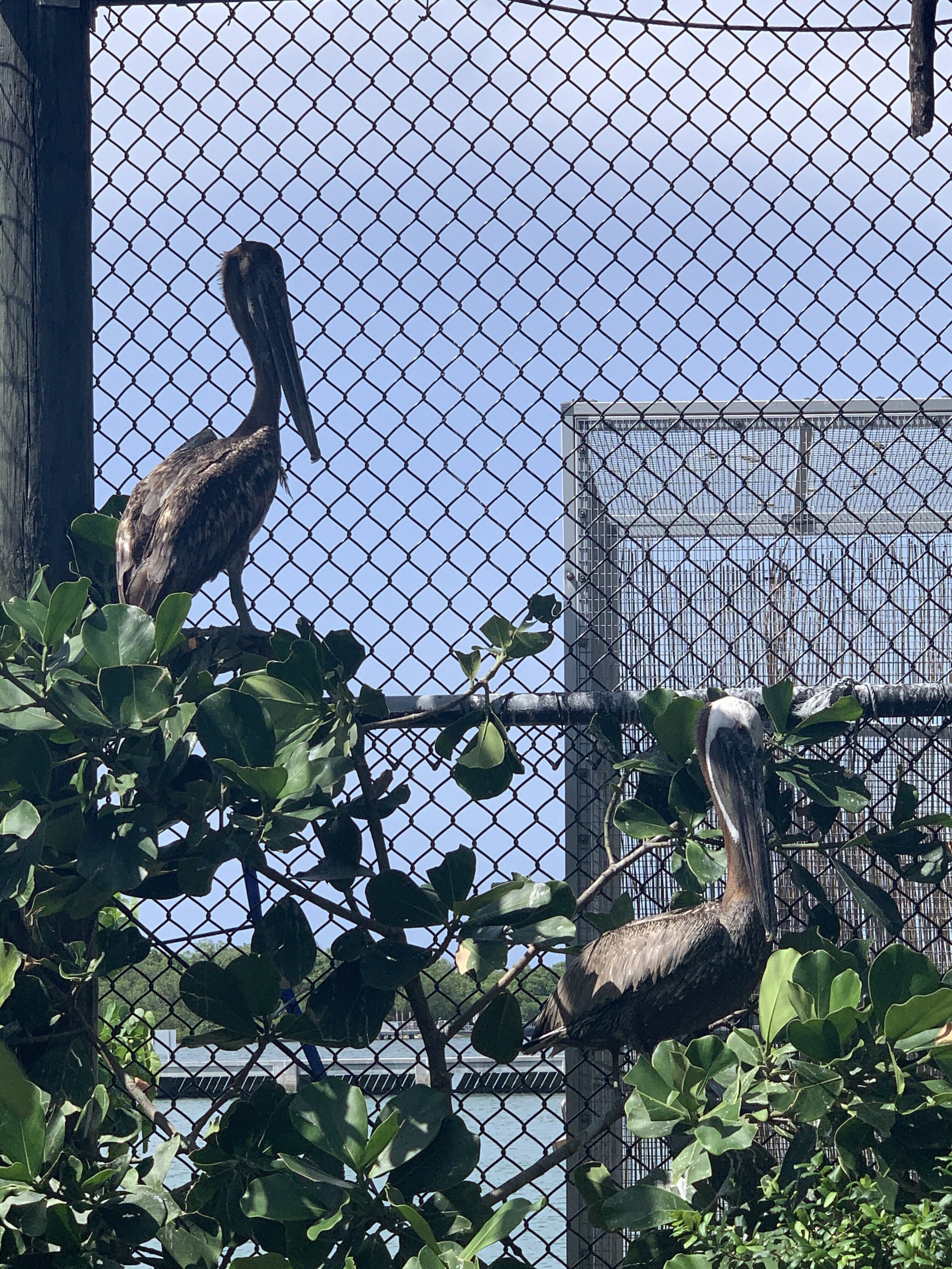
Nothing is more inviting for a fishing day than beautiful, shimmering south Florida waters. From our perspective, it's the perfect opportunity to take in some fresh air and enjoy a little of mother nature. For our pelican patients at Pelican Harbor Seabird Station, their story is often a different one from ours. Brown Pelican patients 21-1052 and 21-1179, among many others, recall a fishing day as the day they were removed from their natural habitat in order to be treated for hook-related injuries. Patient 1052 arrived at our clinic on May 23rd, 2021 with a sabiki hook attached to its wing near the left humerus and multiple lacerations on his pouch. Patient 1179 arrived at our clinic on June 14th, 2021 with a treble hook pierced through the skin and muscle on its right wing and wrist area. 

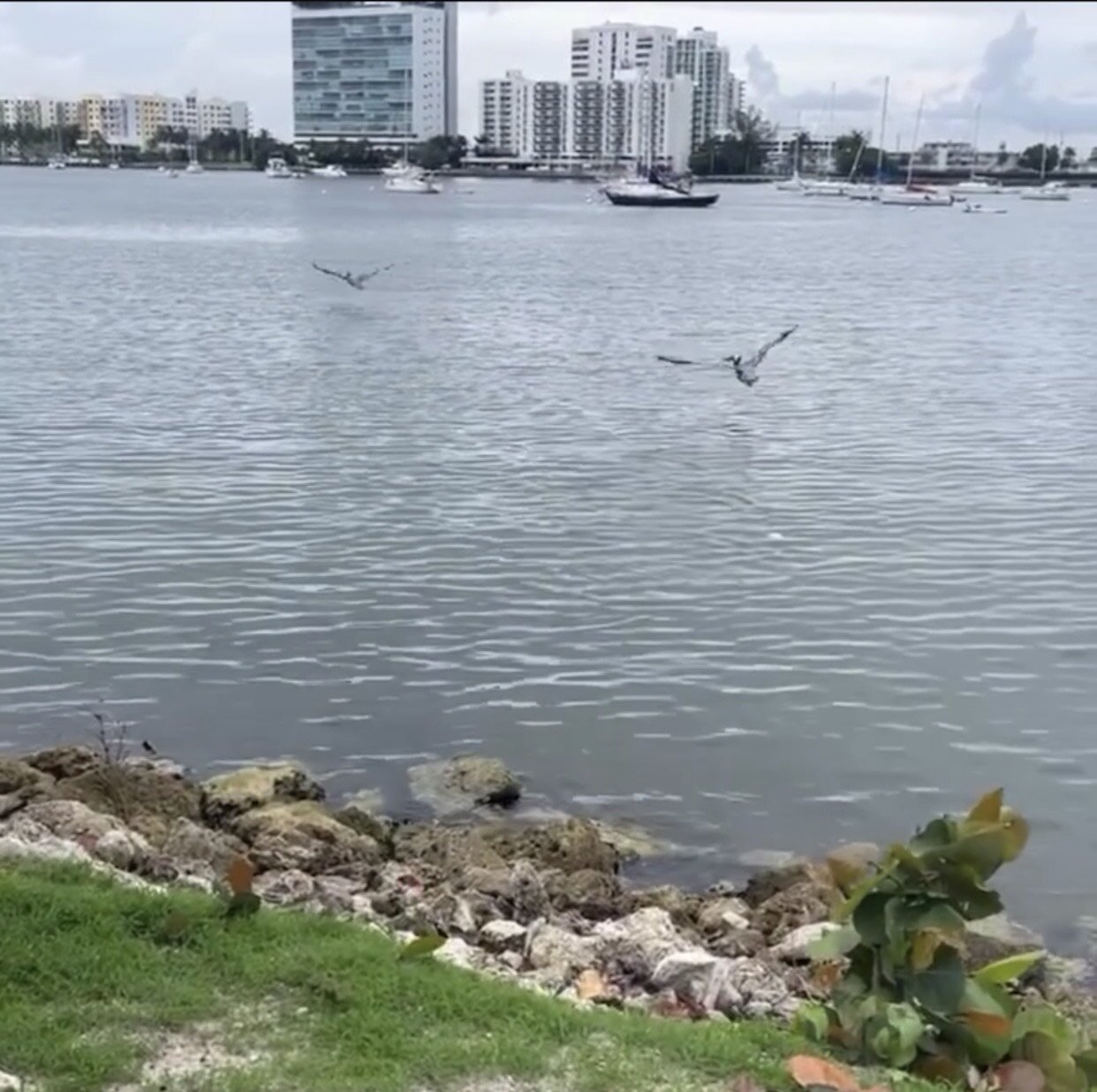
Both patients were treated and monitored accordingly throughout their stay and recovery process at our clinic. Pelican 1052 required surgery to repair the pouch tear and pelican 1179 was treated for its wounds. Luckily for these two patients, there were no swallowed hooks or fractures and they recovered well. We’re glad to announce that both patients were released on June 30th, 2021 back into their beautiful natural habitat. 

Since its founding in 1980, Pelican Harbor Seabird Station has treated over 9,000 pelicans, hundreds of which have arrived entangled in fishing gear or have hook-related injuries. While patients 1052 and 1179 were given a second chance at life, others were not so fortunate. You have the power to help us protect these birds by being cautious when fishing and disposing of your fishing tackle properly.

If you're not already hooked on why saving our brown pelicans is vital, here are some cool facts about them:

  • Brown Pelicans were on the brink of extinction 40 years ago largely due to DDT (a harmful pesticide that has since then been banned). After being placed on the Endangered Species List, the Brown Pelican have since made a full recovery

  • Brown pelicans can plummet over 60 feet to catch fish

  • Their pouch can hold more than 2.5 gallons of water

While Florida takes the title for “Fishing Capital of the World”, it is important to remember that we are not the only ones who enjoy being out in nature, and our actions can greatly affect that of wildlife. When going fishing, it is important to watch out for any closeby wildlife and protect them from any fishing gear that may be near. If you accidentally hook a seabird, do not cut the line! Do not shake the line to loosen the hook as this will most likely injure the bird further. Instead, slowly reel them in close and carefully contain them while taking measures to protect yourself as well. Often, seabirds have long bills; therefore keeping sunglasses nearby will come in handy when handling the injured wildlife. For stressed/ feisty birds, putting a towel over them can help calm them allowing you to remove the hook or fishing gear safely. Once you have the bird safely contained, contact your local wildlife rehabilitation center for further assistance. After a fishing trip, remember to properly dispose of any fishing line/ gear that may have been left behind to prevent wildlife entanglement. 

“Wade into life

Look beneath the surface

Spread your wings

Keep your beak clean

Soar over rough waters

Stretch yourself

Go fish!”

-Advice from a pelican Bibliography

Sources:

https://myfwc.com/education/wildlife/unhook/?redirect=unhook

https://seahistory.org/sea-history-for-kids/brown-pelicans/

https://abcbirds.org/bird/brown-pelican/

The Cormorant Times

Written by: Stephanie Gomez, PHSS Intern

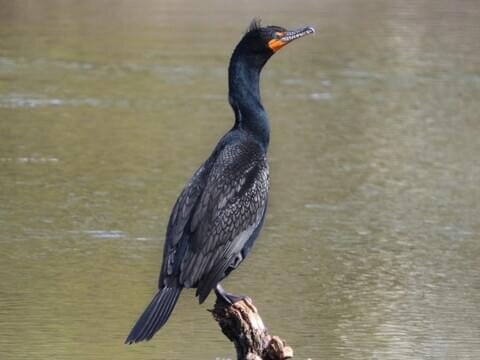
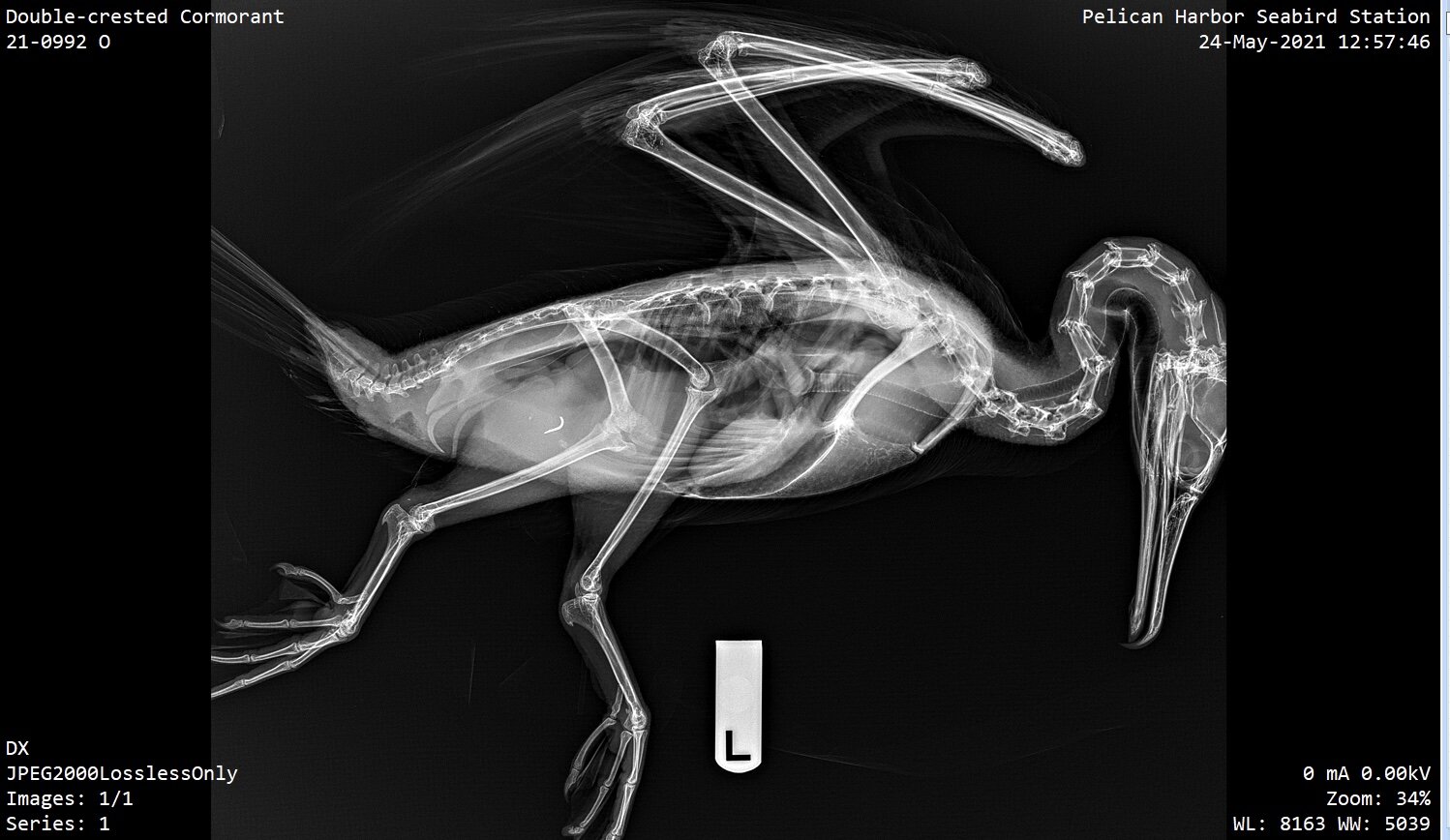
 Today I will be talking about patient 21-0992, an adult Double-crested Cormorant. It came in on May 23rd after people found him weak and quiet yet alert. During the intake exam, staff came across several findings. The patient seemed to be moderately dehydrated due to the mucous membrane observed as pale-colored and dry. A mouth swab was performed to check for any parasites it may have, and it came back negative. The patient was ultimately diagnosed with astasis, commonly found in birds, which is a lack in motor coordination with the inability to stand, walk, or even sit properly.

After the intake exam, this patient was given subcutaneous fluids for dehydration, Vitamin B Complex for protein growth, Vitamin E for helping maintain metabolic processes, Panacur, and Ivermectin for any parasites the patient might have. This patient was introduced to a liquid diet called Piscivores care, a special liquid diet for Piscivores (fish eaters). This is used to lighten the load on the stomach and is high in nutrients to get this bird back into shape. The clinic staff then proceeded to do an x-ray of this patient to check for any unusual findings inside not seen by the eye. They found that there was a hook fragment found in the GI tract. It was soon given the medication called Meloxicam which is used as an anti-inflammatory.

As part of the patient’s continued care, it was kept in a cage inside the ICU with plenty of comfort and enrichment. The method called the “cotton fish method” was done which is a process in which cotton is put inside a fish, the fish is given to the patient, in hopes that the hook fragment piece will attach to the cotton and the bird will regurgitate it out. This method is the first to be used because it is noninvasive. Hydrotherapy was also done once in a while to help relieve some stress off the patient and help with the condition of astasis. Hydrotherapy is performed by placing the bird into a big bucket of water to allow it to kick its feet. This also helps to enable the muscles to move in a lighter way inside the water. The veterinarian proceeded with a check-up on the hook fragment found and cleared the cormorant of the hook.

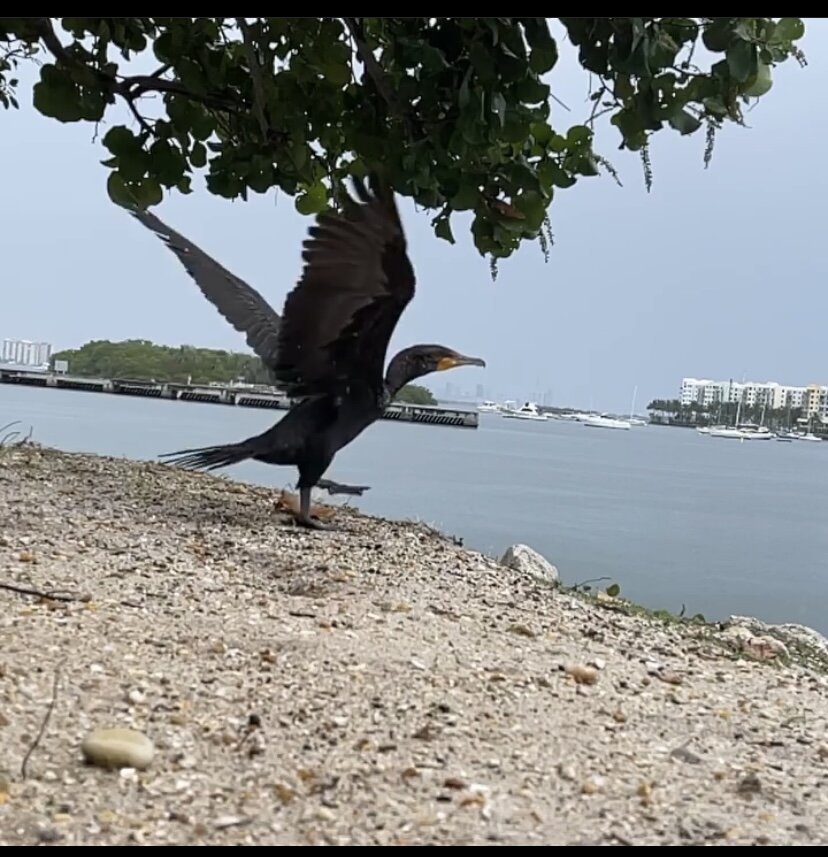
Finally, after seeing some progress inside and the patient was getting stronger, it was moved into an outside enclosure. Here the patient has the space to regain flight muscles, swim in the big pool, and continue healing. It began flying, standing much better, swimming, and was seen catching its own fish in the big pool inside the pen. After 24 days in care, it was cleared to be released! On June 17th, this Double-crested cormorant was released on the PHSS premises. It flew out of the cage and took a nice little bath once it reached the water.

During this process, I learned the importance of deworming a patient. Many parasites can enter the body of a bird, so taking precautions and treating them as soon as possible help prevent them from infesting a patient. Once these worms reach the gut, they can multiply. The main problem with worms is that they can suck up nutrients the bird needs, and as more accumulate, the bird becomes weak, lethargic, develops poor feather condition, and even reduces egg production. 

Sources:

https://vetafarm.com/worms-in-birds/

The Silent Raptor Killers

Written by: Marielys Gutierrez, PHSS Intern

A Cooper’s Hawk is a medium-sized hawk native to North America and found in South Florida. Adults are a bluish-grey color with warm reddish bars on the underparts of their body and thick dark bands on the tail. On June 24th, 2021, a juvenile Cooper’s Hawk (patient 21-1237) was brought in with singed and burnt feathers on the wings and tail. Its face was swollen, and the eyes were closed shut. The mean body temperature of a Cooper’s Hawk just after flight is 104.3 F (Custer, Feierabend, & Hoffman, 1990). At the time of intake, the body temperature of patient 1237 was 107.5 F. The initial weight of the patient was 273 kg. The suspected cause for the burns and reason for intake was electrocution or methane burn. 

Patient 1237 had an extensive number of injuries and the treatment plan had to cover lowering the body temperature, treating damaged feathers and eyes, pain management, treating inflammation and possible infections. After intake, patient 1237 was placed inside a large box with ice packs, and its body temperature lowered to 104 F. Initial treatments included flushing the eyes, and oral administration of meloxicam and tramadol. Meloxicam is a nonsteroidal anti-inflammatory drug used to relieve inflammation and pain and tramadol is an opioid used to treat more severe pain. After flushing the eyes, the corneas appeared intact, but bruising was present. The eyes were kept lubricated and tobramycin eye drops were administered. 

The initial care of patient 1237 focused on pain management and temperature control and the continual care shifted towards treating any possible infections, maintaining body weight, and plan towards the care of the skin and feathers. An x-ray was performed and revealed no significant findings. Meloxicam, tramadol, tobramycin, eye lube, and subcutaneous fluids continued to be administered twice a day. Spikes in temperature continued to be observed and it was believed the patient might have been fighting an infection. Sulfatrim, an antibiotic used to treat a variety of bacterial infections (such as ear, urine, respiratory, intestinal infections, etc.), was introduced orally to the patient twice a day. The current weight of the patient is at 262 kg. Due to the patient not being able to maintain its body weight, the staff started alternating between force-feeding the patient mice and tube feeding a liquid prescription diet. After five days in care, the patient’s eyes opened up and on July 1st, sloughing (shedding) of skin on legs was observed.

Cooper’s Hawk 1237 remains under the care of Pelican Harbor Seabird Station until it is fit for release. Throughout the care of the patient, I began to read articles about raptor-related burns and learned that methane burns result in similar burns found on the Cooper’s Hawk in our care. Landfills use a methane burner to convert methane into water and carbon dioxide. The flames shoot out of an exhaust pipe and are colorless. Raptors like to perch on the methane burners to inspect for prey. When a raptor flies into the flames, although they may survive the immediate injuries, most eventually starve due to losing their ability to hunt and fly (Deines, 2020). A creative solution, found by U.S. Fish and Wildlife Service special agent James Dowd, has been to add tops to the methane exhaust pipes with sharp points to deter birds from perching on them (U.S. Fish and Wildlife Service Northeast Region, 2013). Power line electrocution is another leading cause of raptor mortality. Diagnosis is made according to the burns of the feathers and skin. Electrocution wounds are different in the way that they have a presence of an entrance and exit wound, and include skin lacerations, subcutaneous burns, bruising, vascular rupture, etc. (Kagan, 2016). Usually, landfills are in secluded areas, so it is unknown how many birds suffer a similar fate. The Cooper’s Hawk in our care was found in a neighborhood, leading the team at Pelican Harbor to suspect electrocution to be the probable cause of the injuries. Thanks to the work done at Pelican Harbor many of these birds are given a fighting chance, and we have hope that our Cooper’s Hawk will be able to heal all its wounds and molt the injured feathers with time.